
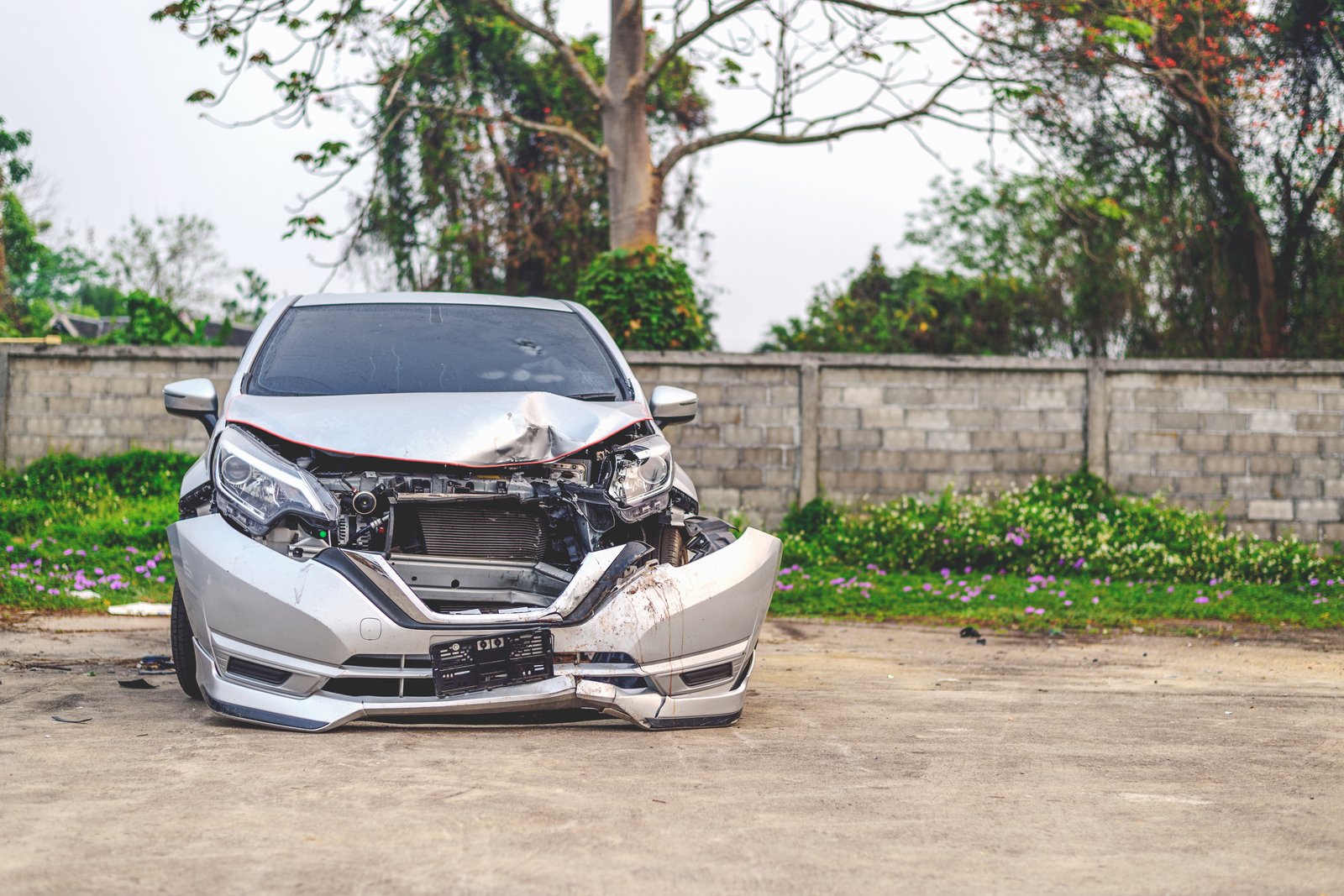
A serious crash can total your vehicle in seconds, but the financial fallout often lasts far longer. When an insurance company declares your car a total loss, it pays out the vehicle’s actual cash value, not what you still owe on your loan or lease. For many California drivers, that gap between the payout and the remaining balance can run into the thousands of dollars.
At Setareh Law, we’ve seen how confusing and stressful this part of a claim can be for accident victims who are already dealing with injuries, missed work, and mounting bills. Understanding how gap insurance works and how it fits into your larger car accident claim can help you avoid an unexpected financial burden while you focus on recovery.
What Gap Insurance Actually Covers in California
Gap insurance is an optional coverage that pairs with your collision and comprehensive policy. It closes the gap between your car’s actual cash value at the time of the crash and the amount left on your auto loan or lease.
Standard auto insurance coverage only pays out based on your vehicle’s depreciated value. If you financed a car with little money down, or if your vehicle depreciated quickly, that payout may fall well short of your loan balance. According to the National Association of Insurance Commissioners, standard auto insurance does not cover paying off your loan if your car’s market value is less than what you owe, which is exactly the situation gap insurance is designed to address.
How a Total Loss Is Determined in California
Insurance companies don’t decide a car is “totaled” based on appearance alone. California uses a total loss formula that compares the cost of repairs plus the salvage value against the vehicle’s actual cash value before the crash. When that combined figure meets or exceeds the car’s pre-accident value, the insurer must treat it as a total loss rather than authorize repairs.
This calculation matters because it directly affects how much you receive and whether gap insurance applies. Gap coverage only activates once a vehicle is officially classified as a total loss, so disputes over valuation or the total loss threshold can delay or reduce what you are owed. We regularly help clients push back when an insurer undervalues a totaled vehicle, since a lower valuation shrinks both the primary payout and any gap reimbursement.
Filing a Gap Insurance Claim After an Accident
The claims process for gap coverage typically follows your primary auto insurance settlement rather than replacing it. Gathering the right paperwork early can prevent later delays.
Before filing, it helps to have on hand:
- Your total loss settlement letter from the primary auto insurer
- A current loan or lease payoff statement from your lender
- The police report and any documentation confirming the date and cause of the accident
- Proof of any gap insurance policy or waiver you purchased
Once submitted, most gap claims are processed within a few weeks, though timing can vary depending on your provider and how quickly your lender confirms the payoff amount. If a claim is denied, review the policy to see how the insurer defines a covered total loss, since some denials stem from paperwork gaps rather than genuine coverage exclusions.
Why the At-Fault Driver’s Insurance Still Matters
Even when gap insurance resolves the loan shortfall, it doesn’t address everything you’re owed if another driver caused the crash. California’s fault-based system means the at-fault driver’s insurance company may still owe you for medical bills, lost wages, and other damages beyond the value of the vehicle. Gap insurance and a personal injury claim can proceed at the same time, and one does not reduce your entitlement to the other.
This is also where uninsured and underinsured motorist coverage can come into play. If the at-fault driver carries minimal insurance, your own policy’s underinsured motorist provision may need to fill in additional gaps beyond what gap insurance addresses for the vehicle itself.
Setareh Law Is Here to Help After Your Total Loss Accident in California
A totaled vehicle is often just one part of a larger financial picture after a serious crash, and the paperwork involved in vehicle recalls and gap claims can add stress at an already difficult time. With 60 years of combined experience and more than $250 million recovered for injured clients throughout California, we understand how to help accident victims pursue full compensation while the vehicle-related details get sorted out separately.
If you were injured in an accident that led to a total loss, we encourage you to reach out so we can review the details of your case. Contact us to discuss your accident and find out how we can help you pursue the compensation you deserve.