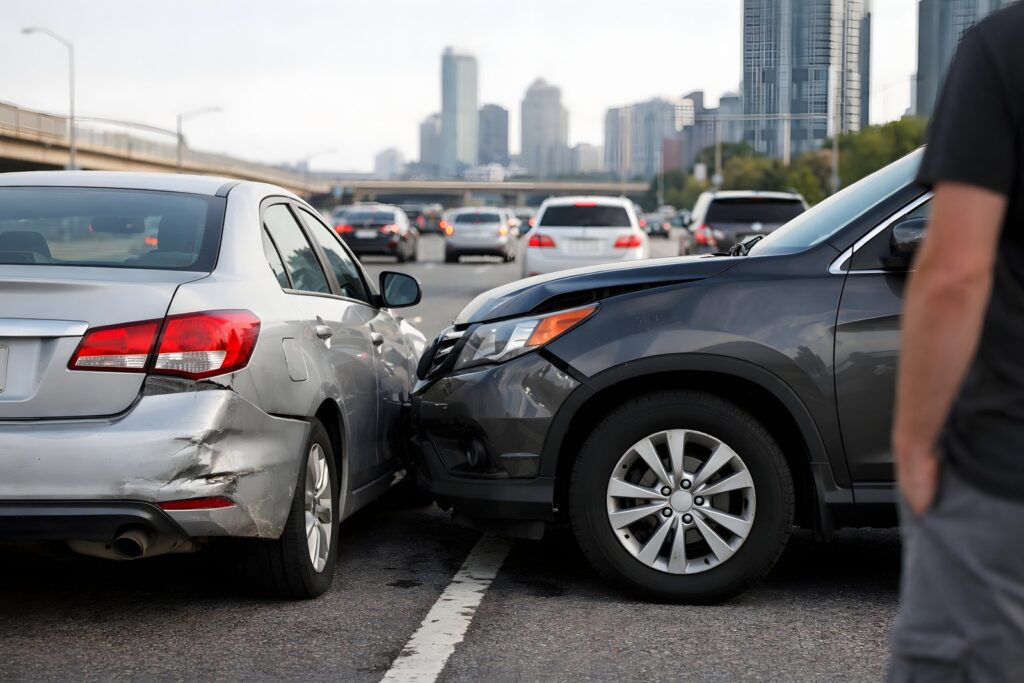
A single tap on a phone screen is all it takes to summon a ride, and most trips end exactly as expected: safely, quickly, and without incident. But when a rideshare driver runs a red light on Grant Line Road or clips another car merging onto I-205, passengers are left dealing with injuries, medical bills, and a tangle of corporate insurance policies designed to make claims difficult.
Setareh Law understands how confusing rideshare accident claims can be for Tracy residents, as these cases involve multiple layers of coverage that shift depending on what the driver’s app was doing at the moment of the crash. Our team, serving the greater Tracy area, has recovered over $250 million for injured clients across California, and we know how to identify every available source of compensation after a rideshare crash.
How Rideshare Insurance Coverage Actually Works
Most people assume that if they are hurt in an Uber or Lyft, the company’s massive insurance policy automatically applies. In reality, coverage depends entirely on what phase of the trip the driver was in when the collision happened, and getting this wrong can cost victims thousands of dollars in compensation they were entitled to receive.
When the app is off, only the driver’s personal auto policy applies, which often excludes commercial activity entirely. Once the driver logs on and is waiting for a ride request, a limited contingent policy kicks in. Only once a rider has been matched and picked up does the full commercial policy apply, and even then, insurers often dispute which period was active.
According to the California Public Utilities Commission, drivers waiting for a match are covered at far lower limits than those actively transporting a passenger, which is exactly the gap insurance adjusters exploit when they can. We review trip logs, GPS data, and driver app records to determine exactly which coverage period applies to a Tracy client’s case.
Who Can Be Held Responsible After a Rideshare Crash?
Liability in a rideshare accident is rarely limited to a single party, and Tracy claimants often need to pursue more than one at-fault source to be made whole. The rideshare driver, another motorist, or even a vehicle defect can all play a role in how a crash unfolds.
We routinely investigate claims against the rideshare driver directly because ordinary negligence, like speeding or distracted driving, still applies regardless of the platform. Other drivers on the road can also be at fault, particularly in Central Valley traffic corridors where distracted and drowsy driving contribute to a large share of collisions, similar to patterns our firm has documented in Tracy car accident cases.
In some situations, a mechanical failure or poor vehicle maintenance opens a separate claim against a manufacturer or repair shop. Determining which combination applies requires pulling the rideshare company’s internal incident report, which most injured passengers do not know they can request.
Passenger, Driver, or Third-Party Claims
The path a claim takes depends heavily on where the injured person was sitting relative to the rideshare vehicle. A passenger inside the car at the time of the crash typically has the most straightforward path to the $1 million commercial policy, while a pedestrian or occupant of another vehicle struck by a rideshare driver must first establish that the app was active during the relevant coverage period before that policy becomes available.
What Compensation Rideshare Victims Can Recover
The commercial coverage that applies during an active trip is substantial, but the amount a Tracy client actually recovers depends on how thoroughly the claim accounts for every category of loss, not just the medical bills that arrive first. Insurers routinely offer early settlements based on visible damages alone, before the full financial picture emerges.
Economic damages typically form the foundation of a claim and include emergency treatment, ongoing rehabilitation, lost wages from time away from work, and reduced future earning capacity if the injury limits what type of work a client can return to.
Beyond these measurable costs, California law also allows recovery for non-economic damages, such as pain and suffering, emotional distress, and loss of enjoyment of life, all of which require documentation and testimony to value properly.
Why Full Valuation Matters
A settlement offer that only accounts for current medical expenses can leave a client without funds for treatment that becomes necessary months later. We work with medical providers and financial experts to project long-term costs before accepting any offer, which is often the difference between a settlement that covers today’s bills and one that protects a client’s finances for years to come.
Why Tracy Families Choose Setareh Law
Rideshare litigation moves quickly, and insurers for companies like Uber and Lyft often have specialized rapid-response teams built specifically to minimize payouts before a victim ever retains counsel. Having a firm that understands this playbook from day one changes the outcome.
Our attorneys, who bring 60 years of combined experience representing injured Californians, know how to preserve app data before it disappears and how to counter the arguments rideshare companies’ legal teams raise most often. Because these cases move fast and involve high-value corporate insurers, our approach centers on a few key priorities from the moment a client calls:
- Trip data preservation: We move quickly to secure the driver’s app status and GPS history before it is purged.
- Multi-party investigation: We identify every liable party, not just the rideshare driver.
- Direct negotiation with TNC insurers: We handle the specialized claims adjusters rideshare companies deploy.
- Contingency representation: Clients pay nothing unless we recover compensation.
Because rideshare companies classify their drivers as independent contractors, they frequently attempt to distance themselves from liability altogether, making early legal intervention critical to a strong claim.
Setareh Law Is Ready to Help Tracy Rideshare Accident Victims
Every rideshare crash carries its own tangle of coverage periods, corporate defenses, and competing insurance claims, and untangling that mess without help puts injured Tracy residents at a real disadvantage. Our attorneys have spent years building the kind of case strategy that holds rideshare companies and their insurers accountable for what happened.
Setareh Law is available around the clock to Tracy clients navigating a rideshare accident claim, and every case is handled on a contingency basis, meaning there is no fee unless we win. If you were hurt as a passenger, driver, or another motorist involved in a rideshare collision, reach out to us to schedule a free consultation and find out what your case may be worth.