
Who Pays When a Loose Trailer Hitch Detaches and Causes a Chain Reaction Crash?
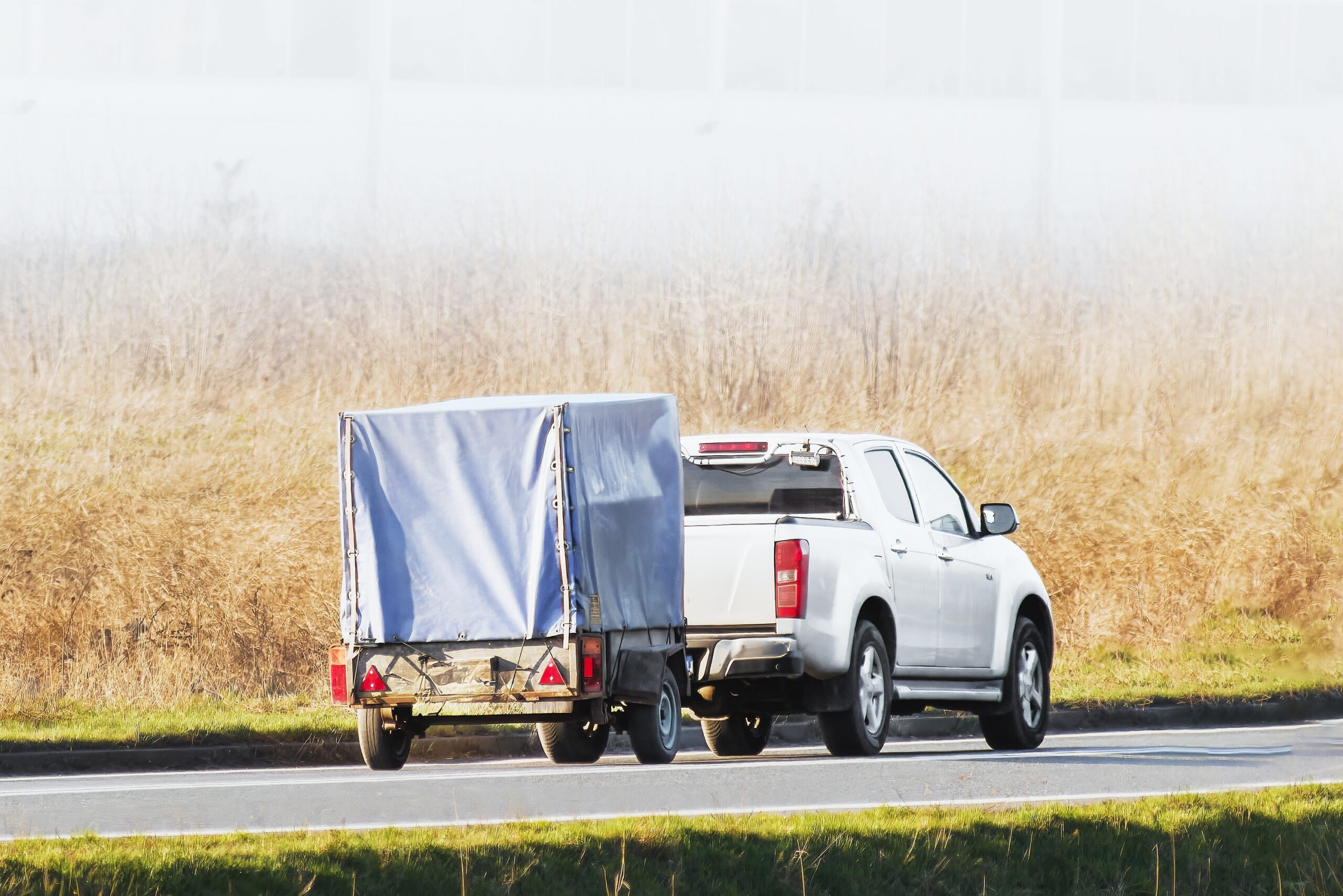
A trailer that breaks loose at highway speed can set off a string of collisions in seconds, and the question of who pays usually starts with the person who attached it. In most cases, the driver or owner of the towing vehicle, along with their insurance company, is the first place to look, though other drivers and businesses may share responsibility depending on how the crash unfolded.
At Setareh Law, we help people hurt in car accidents across California work out who is responsible and how to pursue fair compensation. Our attorneys bring 60 years of combined experience to each case, and we explain every step so you always know where your claim stands.
Who May Be Responsible for a Detached Trailer Hitch?
Fault in these crashes rarely rests on one person alone, so we closely examine everyone who helped attach and maintain the trailer.
The Driver Towing the Trailer
California Vehicle Code Section 29004 requires a towed vehicle to be coupled to the towing vehicle with a safety chain, cable, or equivalent device in addition to the regular hitch. When a trailer separates because the ball, coupler, or pin was loose, or because no backup connection was in place, the driver may be held responsible for the crashes that follow. Even with a chain in place, a worn hitch ball or missing locking pin may show the trailer was not secured properly.
The Owner or Employer
If the trailer belonged to someone else, its owner may share responsibility for its condition. When the driver was towing for work, such as a landscaping or delivery job, the employer may also be responsible. In commercial vehicle cases, our truck accident attorneys review inspection and maintenance records.
Shops and Installers
A business that installed, repaired, or inspected the hitch may also be involved if its work contributed to the failure. Naming every responsible party early may help protect the full value of your claim.
How Fault Is Shared in a Chain Reaction Crash
Once a trailer lands in the roadway, every driver behind it must react, and the order of impacts becomes central to the case. California follows a pure comparative negligence rule, so you may still recover compensation if you share some blame, although your award may be reduced by your percentage of fault. Investigators and insurers typically weigh the following factors when they divide responsibility:
- Hitch condition: Whether the ball, coupler, and locking pin were secure and in good repair.
- Safety chains: Whether a chain or cable was attached as Section 29004 requires.
- Maintenance records: Inspections, repairs, and installation work on the hitch and trailer.
- Order of impacts: Dash camera footage, witness accounts, and crash reports showing who struck what.
- Following distance: Whether each driver left enough room to stop safely.
California law also generally makes each at-fault party responsible for its own share of non-economic damages, such as pain and suffering. For example, a driver who followed too closely and struck the car ahead may share blame, while a driver who had no room to stop may carry little or none of it. We work to show where you fit in that sequence with solid evidence.
How Insurance Coverage and Deadlines Work
The towing driver’s auto liability policy is often the first source of payment, and it may cover injuries and vehicle damage caused by the trailer. If that coverage falls short or the driver has no insurance, uninsured motorist coverage on your own policy may help fill the gap. Adjusters may also ask for a recorded statement, but you generally don’t have to give one to the other driver’s insurer.
Timing matters too, because California generally allows two years from the date of the crash to file a personal injury lawsuit. Serious chain reaction crashes may involve catastrophic injuries or wrongful death claims, and our personal injury team gathers the police report, roadway photographs, dash camera footage, and the hitch itself when possible to build your claim. We also review every policy that may apply so we can identify each possible source of recovery.
Contact Setareh Law for Help With Your Chain Reaction Crash Claim
A loose hitch can leave you facing medical bills, vehicle repairs, and questions about who should pay, and you should not have to sort it out alone. Our team, including founding attorney Daniel Setareh, brings 60 years of combined experience to every case, and we handle each claim on a contingency fee basis, so you only pay a fee if we get you results.
Our clients have left us over 900 five-star reviews, and with seven office locations, home visits, and a Spanish-speaking team, we can meet you where you are. Reach out today for a free consultation to discuss your options, and tell us what happened.