
Setareh Law
February 18, 2026
Insurance companies possess vast resources and sophisticated investigative tools that they routinely deploy to minimize claim payouts. One of their most intrusive tactics involves conducting surveillance on personal injury claimants, hoping to capture evidence that contradicts claimed injuries or limitations. This practice has become increasingly common and technologically advanced, making it crucial for injury victims to understand how surveillance works and how to protect their claims.
At Setareh Law, we have extensive experience defending clients against insurance company surveillance tactics. Our attorneys understand how these investigations operate and work diligently to protect your privacy while building the strongest possible case for your recovery.
How Insurance Company Surveillance Actually Works
Insurance companies typically begin surveillance within weeks of receiving a claim, particularly when significant damages are involved. Professional investigators use various methods to monitor claimants’ daily activities, looking for any behavior that might contradict medical restrictions or claimed limitations.
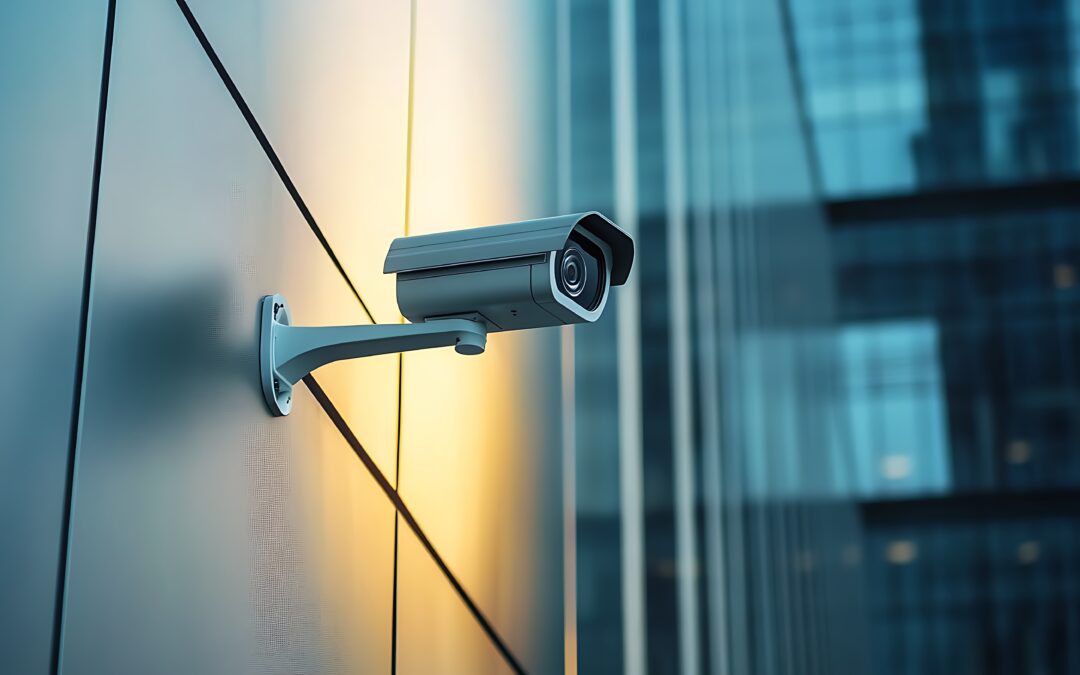
Physical surveillance involves investigators following claimants to document their movements, activities, and apparent physical capabilities. These professionals use high-quality cameras and video equipment to capture footage from public locations, including grocery stores, medical appointments, and recreational activities.
Digital surveillance has become increasingly sophisticated, with social media monitoring representing a primary investigative tool. Insurance companies regularly review Facebook, Instagram, Twitter, and other platforms for photos, videos, and posts that might undermine injury claims. They also monitor check-ins, tagged locations, and interactions with friends and family members.
Background investigations dig deep into claimants’ personal histories, including prior injuries, medical conditions, employment records, and legal issues. Insurance companies use this information to argue that current injuries resulted from pre-existing conditions rather than the claimed incident.
Common Surveillance Techniques and Technologies
Modern surveillance operations employ cutting-edge technology that goes far beyond simple photography. GPS tracking devices may be placed on vehicles to monitor travel patterns and destinations, though this practice faces increasing legal restrictions in many jurisdictions.
Drone surveillance has become more common as these devices become cheaper and more accessible. Insurance investigators use drones to capture footage of claimants’ activities on private property, though legal limitations restrict their use in many situations.
Database searches compile comprehensive profiles using public records, credit reports, property records, and professional licenses. This information helps investigators identify potential inconsistencies or undisclosed factors that might affect claim validity.
Video analysis software can examine surveillance footage to assess movement patterns, gait analysis, and apparent physical capabilities. Car accident victims may find their movements scrutinized for signs of limitations that contradict their claimed injuries.
Red Flags That May Trigger Surveillance
Certain factors increase the likelihood that insurance companies will initiate surveillance on injury claimants. High-value claims naturally attract more attention, as insurance companies have greater financial incentives to investigate thoroughly when potential payouts reach significant amounts.
Inconsistent medical records or testimony raise immediate red flags for insurance adjusters. Any discrepancies between initial injury reports, subsequent medical visits, and claimed limitations may prompt surveillance investigations.
Previous claims history can trigger enhanced scrutiny, particularly if claimants have filed multiple injury claims over short periods. Insurance companies share databases that track claim histories across different providers.
Delayed medical treatment following accidents often raises suspicions about injury severity. Motorcycle accident victims who don’t seek immediate medical attention may face increased surveillance, even when delayed treatment results from shock or other valid reasons.
Protecting Yourself During the Claims Process
Understanding surveillance tactics helps injury victims protect their claims while maintaining their right to reasonable activities during recovery periods. Consistency remains the most important factor in avoiding surveillance complications.
Medical compliance demonstrates your commitment to recovery and validates claimed limitations. Attending all scheduled appointments, following prescribed treatments, and maintaining detailed medical records provides strong evidence supporting your injuries.
Social media awareness requires careful consideration of all online activities. Avoid posting photos, videos, or updates that might be misinterpreted as evidence of capabilities beyond your claimed limitations. Truck accident victims should be particularly cautious about posting any content showing physical activities.
Activity documentation helps establish reasonable behavior patterns. Keep detailed records of your daily activities, limitations, and pain levels to provide context for any surveillance footage that might be obtained.
Legal Protections Against Invasive Surveillance
Several legal protections exist to prevent insurance companies from conducting overly intrusive surveillance operations. Privacy rights limit where and how surveillance can be conducted, with investigators generally restricted to public locations and areas visible from public spaces.
Harassment protections prevent insurance companies from conducting surveillance that rises to the level of stalking or harassment. Excessive or threatening surveillance tactics may violate state and federal laws designed to protect personal safety.
Evidence admissibility rules govern what surveillance footage can be used in legal proceedings. Wrongful death cases have specific restrictions on surveillance evidence, particularly when it might unfairly prejudice jury decisions.
Contact Setareh Law for Experienced Personal Injury Protection
Setareh Law provides comprehensive protection against insurance company surveillance tactics while building the strongest possible case for your recovery. With over $250 million recovered for our clients and more than 400 five-star reviews, our attorneys have the experience and resources to counter sophisticated insurance company investigations. We understand how surveillance operations work and take proactive steps to protect our clients’ privacy while documenting the full extent of their injuries and limitations.
Our legal team handles all personal injury cases on a contingency fee basis, ensuring you receive experienced representation without upfront costs. We’re available 24/7 to discuss your case and provide guidance on protecting your claim throughout the legal process. Don’t let insurance company surveillance tactics compromise your recovery—contact our dedicated personal injury attorneys today for a confidential consultation about your case.
