Setareh Law
January 23, 2026
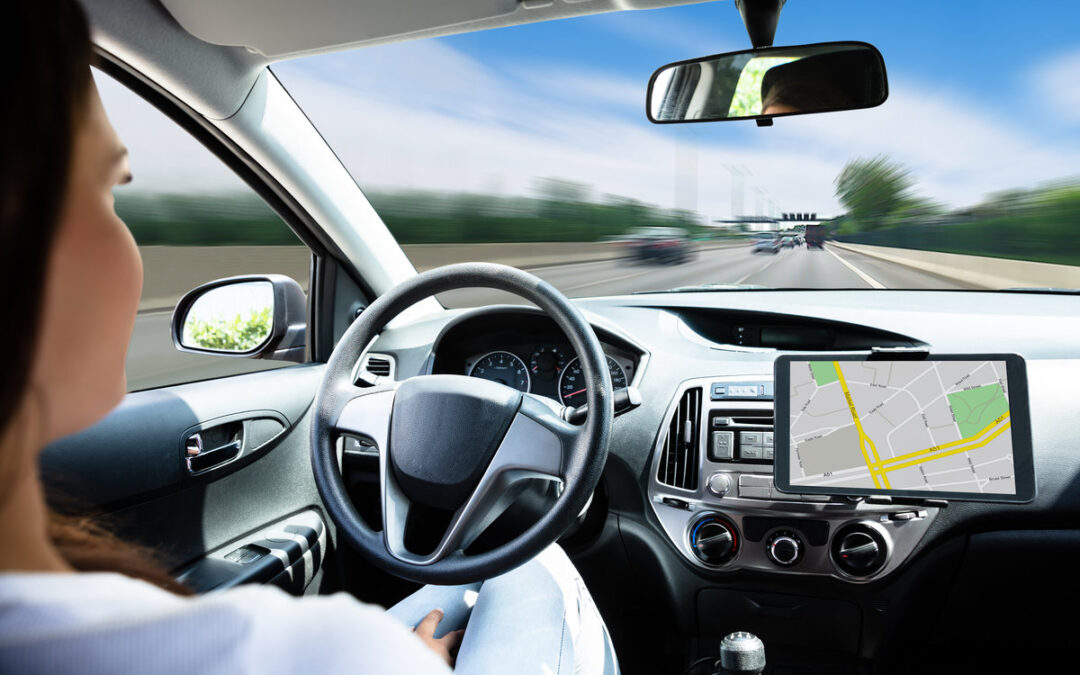
Self-driving vehicles equipped with artificial intelligence systems are becoming increasingly common on California roads, raising complex legal questions about liability when these autonomous technologies cause accidents that result in injuries or property damage. Traditional personal injury law assumes human drivers make decisions that lead to crashes, but AI-powered vehicles operate through complex algorithms and sensors that make split-second choices without human input, creating unprecedented challenges for determining fault and responsibility.
At Setareh Law, we stay current with emerging technologies that affect personal injury claims and work diligently to protect the rights of accident victims regardless of whether human drivers or artificial intelligence systems caused their injuries. Our legal team has the experience and resources necessary to handle complex cases involving new automotive technologies while ensuring that injury victims receive full compensation for their damages.
Current Legal Framework for AI Liability
California law currently holds the human operator or owner of a self-driving vehicle responsible for accidents, even when the AI system makes the decisions that lead to crashes. This approach treats autonomous vehicles similarly to other automated systems, where human oversight and responsibility remain paramount, but legal experts anticipate significant changes as the technology becomes more sophisticated and widespread.
The legal system struggles to apply traditional negligence concepts to AI decision-making processes that operate through machine learning algorithms and real-time data analysis. Courts must determine whether AI systems can be considered “reasonable” in their decision-making and whether their programming constitutes adequate care under the circumstances, questions that don’t have clear precedents in existing personal injury law.
Product liability theories may provide alternative paths for holding AI manufacturers accountable when defective programming or inadequate safety systems cause accidents. These cases focus on whether the AI technology meets reasonable safety standards rather than whether the system acted negligently, potentially shifting liability from vehicle owners to technology companies and manufacturers.
Challenges in Proving AI-Related Negligence
Establishing fault in AI-caused accidents requires technical analysis of complex software systems, sensor data, and algorithmic decision-making processes that few people outside the technology industry fully understand. Accident victims and their attorneys must work with technical professionals who can analyze AI system logs, sensor readings, and programming decisions to determine whether the technology functioned properly or made unreasonable choices.
The “black box” nature of many AI systems creates additional complications, as machine learning algorithms often make decisions through processes that even their creators cannot fully explain or predict. This opacity makes it difficult to establish whether an AI system’s response to a particular situation was reasonable or whether better programming could have prevented the accident.
Multiple Parties and Shared Liability
Self-driving car accidents often involve multiple potentially liable parties, including the vehicle manufacturer, AI software developer, sensor manufacturers, mapping companies, and vehicle owners or operators. Each party may bear different levels of responsibility depending on their role in the system’s operation and any failures that contributed to the accident.
Insurance coverage becomes particularly complex when multiple parties share liability for AI-caused accidents. Traditional auto insurance policies may not adequately address situations where vehicle manufacturers or technology companies bear primary responsibility for crash causation, potentially leaving accident victims without clear paths to compensation.
Determining liability requires careful analysis of each party’s contribution to the accident, from hardware malfunctions and software bugs to inadequate testing and poor system maintenance. Rideshare accidents involving autonomous vehicles present additional complexity when multiple business entities and technologies interact to create accident scenarios.
Future Legal Developments
California lawmakers and courts are actively working to develop legal frameworks that address AI liability in autonomous vehicles while protecting accident victims‘ rights to fair compensation. These emerging laws will likely establish clearer standards for AI system performance, manufacturer responsibility, and insurance coverage requirements that reflect the unique challenges posed by artificial intelligence technology.
The legal system must balance encouraging technological innovation with ensuring adequate protection for injury victims who suffer harm from AI-caused accidents. Future developments may include mandatory AI system testing standards, specialized insurance requirements for autonomous vehicles, and new legal theories that address artificial intelligence decision-making in personal injury cases.
Contact Setareh Law for AI-Related Accident Cases
Self-driving car accidents involving artificial intelligence technology require legal representation that understands both traditional personal injury law and the complex technological issues that affect liability and compensation. These cases demand extensive technical analysis, multiple-party coordination, and innovative legal strategies that protect accident victims’ rights in this rapidly evolving area of law.
Our team at Setareh Law combines extensive personal injury experience with the technical knowledge necessary to handle complex AI-related accident cases throughout California. We work with technology professionals, accident reconstruction specialists, and industry advocates to build compelling cases that hold all responsible parties accountable for our clients’ injuries and damages. With over $250 million recovered for our clients and more than 400 five-star reviews, we have the resources and determination needed to take on technology companies and manufacturers in pursuit of maximum compensation for injury victims. Contact us today at (310) 659-1826 or through our contact form to discuss your AI-related accident case and protect your legal rights.
