
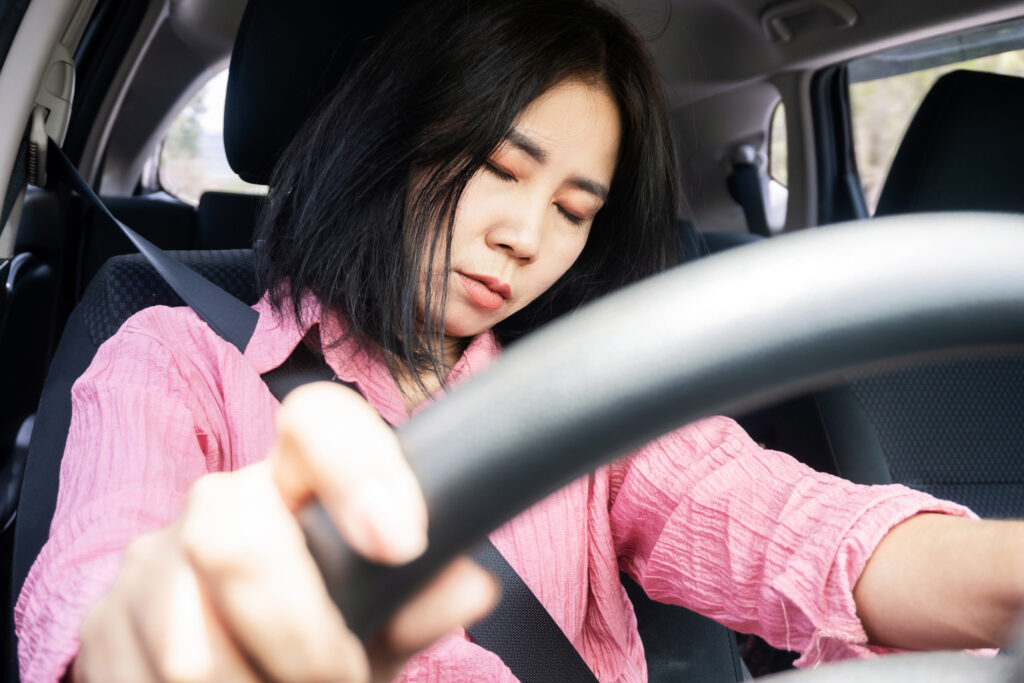
Yes, California law allows accident victims to pursue compensation for sleep disorders that develop after a car accident, since these conditions are recognized as a legitimate consequence of the trauma and physical injuries involved. Many survivors expect broken bones or whiplash after a crash, but few anticipate lying awake every night, unable to quiet their mind or find a comfortable position because of lingering pain.
Setareh Law understands how disruptive it can be when a single collision changes something as fundamental as your ability to sleep. Our firm has recovered over $250 million for injured Californians, and we know how to connect a client’s current struggles, including insomnia, nightmares, or sleep apnea, back to the accident that caused them.
How Car Accidents Lead to Sleep Disorders
A car accident can disrupt sleep through several overlapping pathways. Physical injuries such as neck and back trauma often make it painful to lie down, while broken bones or soft tissue damage can cause discomfort that worsens at night when the body is at rest.
Psychological trauma plays an equally significant role. Many survivors develop heightened anxiety, racing thoughts, or flashbacks that surface the moment they try to relax. Research published in Frontiers in Psychiatry has found that sleep disturbances are considered a predisposing, precipitating, and perpetuating factor for post-traumatic stress disorder, with insomnia symptoms reported in the large majority of affected patients.
Common Sleep Disorders Linked to Car Accidents
Sleep problems following a collision rarely look the same for every client. Some develop chronic insomnia that prevents them from falling or staying asleep, while others experience sleep apnea triggered by facial or airway trauma. Nightmares and night sweats tied to post-traumatic stress are also common, along with a general sense of restlessness that leaves the body feeling exhausted rather than restored.
These symptoms often overlap with other injuries our clients experience, such as those covered on our whiplash injury page, where chronic pain frequently interferes with rest. A sleep disorder rarely exists in isolation. It typically accompanies other physical or emotional injuries, and a thorough claim should address them together rather than separately.
Proving Your Sleep Disorder Was Caused by the Accident
Establishing the connection between a crash and a sleep disorder requires consistent documentation. Insurance companies frequently argue that sleep problems stem from unrelated stress or preexisting conditions, so building a clear record matters.
The following forms of evidence tend to carry the most weight when supporting this type of claim:
- Medical Records: Document every visit related to sleep complaints, starting as close to the accident date as possible
- Sleep Study Results: A polysomnography or similar diagnostic test can confirm a specific disorder and its severity
- Mental Health Evaluations: Assessments for anxiety, depression, or post-traumatic stress help connect emotional trauma to disrupted sleep
- Personal Journals: A daily log describing sleep quality, nightmares, or fatigue creates a timeline that supports your account
Once this evidence is gathered, it becomes far more difficult for an insurer to dismiss the claim as unrelated to the collision. Sleep disorders that develop shortly after a crash and persist over time tend to hold up well when the documentation is thorough and consistent.
Compensation Available for Accident-Related Sleep Disorders
California law permits recovery for both economic and non-economic damages tied to a sleep disorder. Economic damages can include the cost of sleep studies, ongoing treatment, prescribed medication, and any income lost due to fatigue-related absences from work.
Non-economic damages account for the everyday toll a sleep disorder takes on a person’s life. Chronic exhaustion can affect concentration, relationships, and overall quality of life long after visible injuries have healed. Some clients also pursue damages related to underlying trauma, an issue we explore further on our page discussing psychological effects following personal injury claims. In more serious cases involving a traumatic brain injury, sleep disturbances can become a long-term complication that significantly increases the value of a claim.
Contact Setareh Law If Your Sleep Has Been Disrupted After a Crash
A car accident can leave lasting effects that extend far beyond visible injuries, and sleep disorders are among the most overlooked consequences survivors face. Setareh Law has more than 60 years of combined experience helping Californians pursue full compensation for physical and psychological harm. We work on a contingency fee basis, so you owe nothing unless we recover for you.
Our team is available 24/7, offers home visits for clients who cannot travel, and provides bilingual support in English and Spanish throughout every stage of your case. If a car accident has disrupted your sleep and your life, reach out through our contact form to discuss what your case may be worth.