
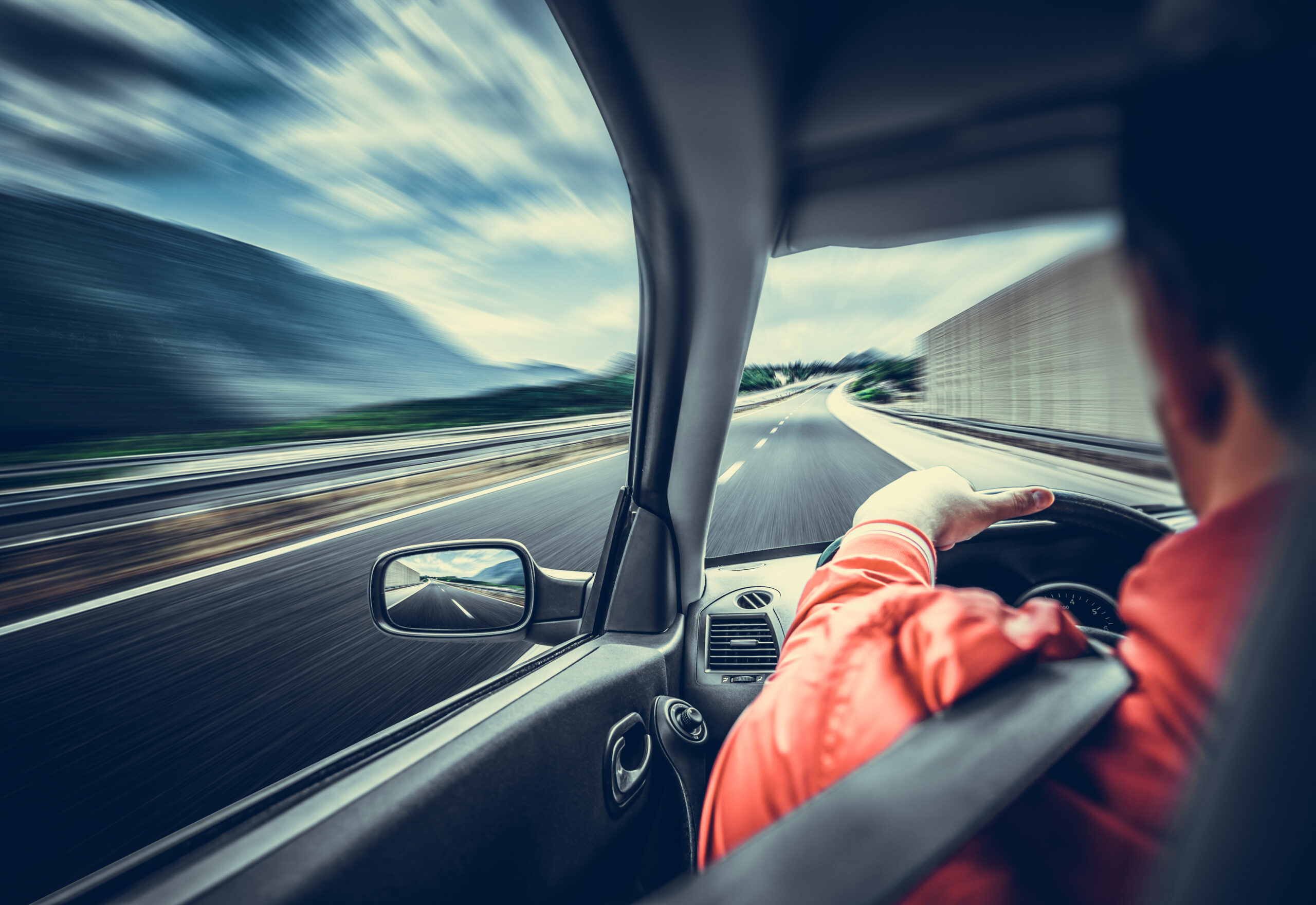
A split-second grab for the wheel can turn an ordinary drive into a disaster, and the aftermath often leaves everyone asking the same question: who is actually responsible? California law does not automatically shield a passenger just because they were not the one behind the wheel that day.
At Setareh Law, we help injured accident victims untangle these exact kinds of complicated liability questions. Whether you were a driver whose passenger interfered with the vehicle or someone hurt as a result of that interference, understanding how fault is assigned is the first step toward pursuing the compensation you deserve.
When a Passenger Can Be Held Legally Responsible
Under California’s negligence laws, liability follows from a breach of duty, and passengers do owe a limited duty not to endanger others in the vehicle. When someone reaches over and grabs the steering wheel, that action can constitute reckless or negligent conduct in its own right, separate from anything the driver did.
Courts generally look at whether the passenger’s behavior was intentional, reckless, or a sudden lapse in judgment, and whether the driver had any realistic chance to prevent the resulting crash. If a driver could have pulled over, slowed down, or otherwise regained control after a passenger’s interference and failed to do so, fault may be shared between both parties under California’s pure comparative negligence system.
How Fault Gets Divided Between Driver and Passenger
California follows a pure comparative fault model, meaning more than one person can be assigned a percentage of blame for the same crash. A passenger who grabs the wheel might be found 70% at fault while the driver absorbs the remaining 30% for failing to react appropriately, or the numbers could look entirely different depending on the facts.
This matters tremendously for injury victims because it affects which insurance policy pays and how much. Our team routinely reviews fault percentages in these mixed-liability cases to make sure our clients are not shortchanged when multiple parties share responsibility for a wreck.
What Evidence Matters Most in These Cases?
Proving that a passenger caused a crash by grabbing the wheel is seldom simple, since it often comes down to one person’s word against another’s inside a moving vehicle. Building a strong case typically requires several types of supporting evidence, which may include:
- Witness accounts: Statements from other passengers, nearby drivers, or pedestrians who saw the interaction can corroborate what happened inside the vehicle.
- Vehicle data: Modern cars often store steering, braking, and speed information that can confirm a sudden and unexplained loss of control.
- Police reports: Responding officers may note admissions made at the scene or physical evidence pointing to a struggle over the controls.
- Cell phone or medical records: These can sometimes rule out other explanations, like a medical emergency or distracted driving, that could otherwise complicate the liability picture.
Once this evidence is gathered, it needs to be presented in a way that clearly establishes the sequence of events, which is where having experienced legal support becomes invaluable.
Why Distraction and Interference Overlap So Often
Passenger interference frequently gets lumped in with general driver distraction claims, but the two are legally distinct. A driver momentarily glancing at a phone is different from a passenger physically seizing control of the vehicle, and the law treats deliberate interference more seriously.
The National Highway Traffic Safety Administration notes that distracted driving is any activity that diverts attention from driving, including talking or texting on your phone, eating and drinking, talking to people in your vehicle, fiddling with the stereo, entertainment or navigation system, or anything that takes a person away from the task of safe driving. When a passenger goes further and physically interferes with the vehicle’s controls, that distinction can significantly change how a claim is evaluated and who ultimately pays.
How Setareh Law Can Help After a Passenger-Related Crash
Every crash involving a passenger’s interference comes with its own tangle of facts, and insurance companies are quick to point fingers in whatever direction limits their payout. We have 60 years of combined experience helping injured Californians push back against those tactics and hold every responsible party accountable.
Setareh Law has recovered over $400 million for our clients and carries more than 900 five-star reviews from people we have represented throughout California. If you were hurt in a crash involving a passenger who grabbed the wheel or otherwise interfered with the driver, reach out through our contact form so we can start reviewing your case today.