

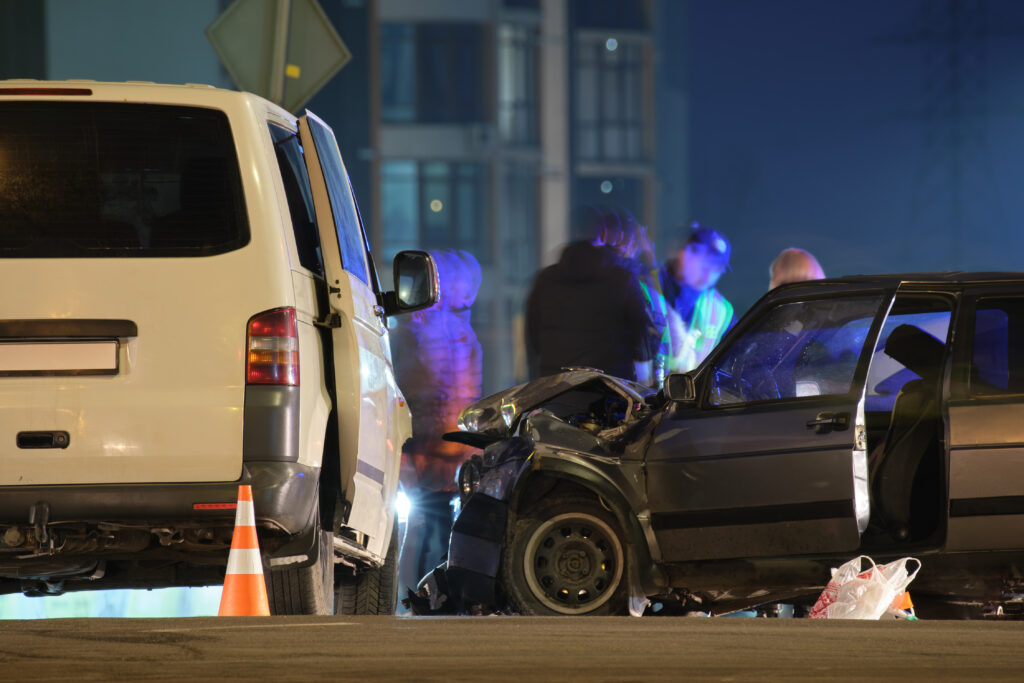
A police report often becomes one of the first pieces of paperwork you touch after a car accident, and it can feel like a formality in the middle of a stressful day. The truth is that this document can shape how an insurance company views your claim from the very beginning, sometimes before you have even scheduled your first doctor’s appointment.
At Setareh Law, we have reviewed thousands of police reports tied to California car accident claims, and we know firsthand how much weight these documents can carry with adjusters and, in some cases, judges and juries. We also know where these reports tend to fall short. Understanding both sides of this document gives you a real advantage as you move forward.
What a Police Report Typically Includes After a California Car Accident
When officers respond to a crash scene in California, they generally complete a CHP 555 Traffic Collision Report used by local police departments. This report usually documents the following details:
- Date
- Time
- Location of the crash
- Basic information about every driver and vehicle involved
Officers also record their own observations at the scene, including road conditions, weather, visibility, and any obvious contributing factors such as skid marks or vehicle damage patterns. Many reports include a preliminary determination of fault, sometimes expressed as a citation issued to one driver, and a narrative section where the officer describes what they believe happened based on statements and physical evidence.
How a Police Report Can Help Your Case
A well-documented police report can work strongly in your favor. If the responding officer clearly identifies the other driver as at fault, cites them for a violation, or documents statements from independent witnesses that support your version of events, that report becomes a powerful piece of evidence.
Insurance adjusters review police reports early in the claims process, and a report that favors your account can speed up settlement negotiations. It gives your attorney a documented, official record to point to instead of relying solely on your memory or the other driver’s version of events. When a report includes detailed measurements and photographs referenced by the officer, it becomes even harder for an insurance company to dispute.
How a Police Report Can Hurt Your Case
Police reports are not always accurate or complete. Officers often arrive after the collision, so they rely heavily on statements from drivers and witnesses who may be shaken, confused, or mistaken about what they saw. If the other driver gives a different account than you do, the officer may split fault between both parties or lean toward the version that seems more consistent with visible damage, even if that assessment turns out to be wrong.
Common Report Problems
Reports can also contain factual errors, such as incorrect vehicle descriptions, misspelled names, or an inaccurate diagram that does not match how the crash actually occurred. While officer-completed reports are generally treated as reliable, they are still a single person’s interpretation of a chaotic scene. Traffic fatality data shows how frequently crashes occur across the country each year, which means officers are often stretched thin and moving quickly from one call to the next.
What to Do if You Disagree With the Police Report
If you believe the report contains errors, you are not without options. Most departments allow you to file a supplemental statement or request an amendment, particularly if you can point to specific factual mistakes such as an incorrect date, a misidentified vehicle, or a diagram that does not reflect the actual point of impact.
Gathering your own evidence from the scene can also help offset a flawed report. Photographs, dashcam footage, and statements from credible witnesses who saw the crash unfold can all challenge inaccurate conclusions. It also helps to understand how to properly report a crash in the first place, since the details you provide at the scene often become the foundation the officer builds the report around.
Find Out How Setareh Law Uses Police Reports to Build Strong Claims in California
At Setareh Law, we treat the police report as a starting point, not the final answer. Our team reviews every detail against other available evidence, including photographs, insurance company records, and any surveillance or dashcam footage we can obtain, to build the strongest possible case.
With over $400 million recovered for injured clients across California and 60 years of combined experience fighting on behalf of accident victims, we know how to work around a flawed report and how to use a strong one to your advantage. If you have questions about a police report from your accident, contact our team for a consultation.