
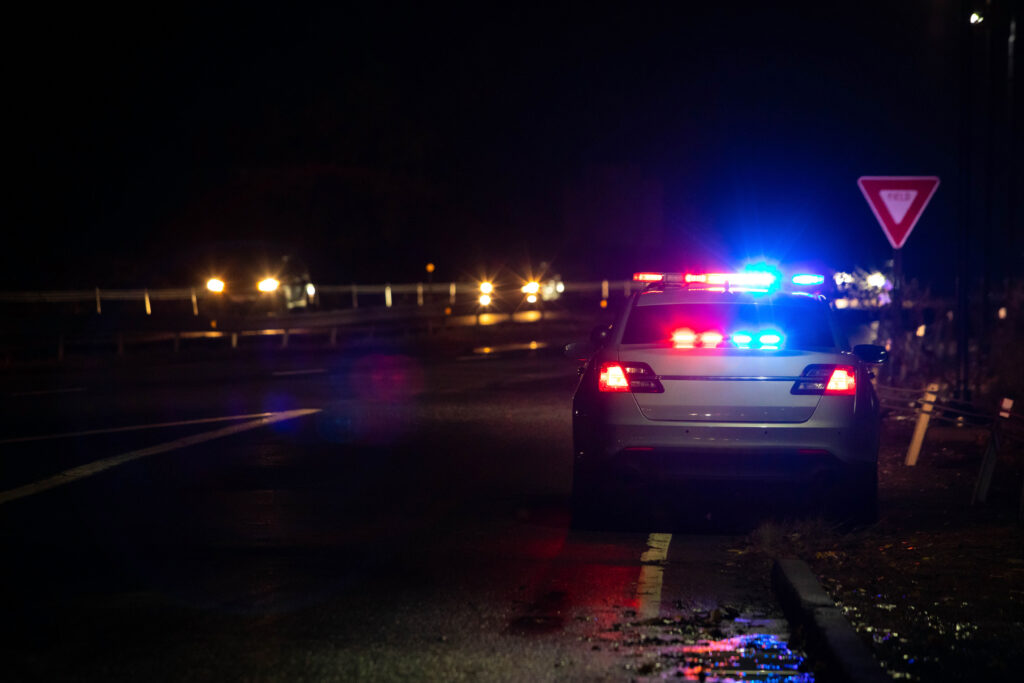
A police chase can turn an ordinary drive into a life-threatening situation in just seconds. Suspects fleeing officers often run red lights, weave through traffic, and reach speeds far beyond what any road was built to handle. Unfortunately, the people around them rarely get any warning before the danger reaches their lane. When that chase ends in a collision, the aftermath can leave you with serious injuries, a totaled vehicle, and a long list of questions about who is actually responsible for what happened.
At Setareh Law, we have spent years helping Californians untangle that exact kind of question after a car accident. Fault in a police chase crash is never as simple as pointing to the fleeing driver, and knowing how these cases are actually evaluated can make a huge difference in how you approach a claim.
Who Is Usually Held Responsible First?
In most police chase collisions, the fleeing driver bears primary responsibility for the crash. That driver made the choice to run rather than stop, and their decision to drive recklessly while trying to evade officers is what set the collision in motion. California treats this the same way it treats any other reckless driving case, meaning the at-fault driver can be pursued for medical bills, lost wages, vehicle damage, and other losses tied to the wreck.
The challenge is that fleeing suspects are often uninsured, underinsured, or difficult to locate once the chase ends. Some abandon the vehicle before police make an arrest, and others are driving a car that was stolen or borrowed, which complicates who can even be sued. This is one of the biggest reasons these cases require a careful look at every potential source of compensation rather than assuming the fleeing driver alone can cover what you are owed.
How Law Enforcement Involvement Changes the Analysis
Since a law enforcement agency was actively involved in the chase, many people assume the police department automatically shares the blame. In practice, California law gives public agencies broad protection from liability in pursuit-related crashes. Under Vehicle Code Section 17004.7, an agency that adopts a written pursuit policy and provides annual training on that policy to its officers is generally immune from civil liability for injuries or property damage caused by the fleeing vehicle, even though the pursuit was what triggered the chase in the first place.
That immunity is not automatic though. It depends on the agency actually implementing its policy, training officers on it every year, and meeting several specific requirements written into the statute. If any of those conditions were not met, the protection can fail, and the door opens to examining whether the pursuing officers’ own conduct fell outside their department’s guidelines.
What We Look at When Reviewing These Cases
Untangling a police chase crash means gathering more evidence than a typical two-car collision usually requires. We routinely examine dashcam and body camera footage, official incident reports, and witness statements from anyone who saw the chase unfold. We also look closely at the vehicle itself, since a stolen car or a registered owner who knew it was being driven recklessly can open up additional avenues for recovery beyond the fleeing driver.
Why Insurance Coverage Often Becomes the Deciding Factor
Once fault is established, the practical question centers around who can actually pay for your losses. Uninsured motorist coverage on your own policy frequently becomes the most reliable path to compensation when the fleeing driver has no insurance of their own, which is common given that many people who flee from police are already violating the law.
We recommend taking these steps:
- Check your own policy for uninsured or underinsured motorist coverage.
- Request copies of any police incident reports connected to the chase.
- Preserve any photos, videos, or witness contact information from the scene.
- Avoid discussing fault with insurance adjusters before speaking with an attorney.
Working through these steps early can prevent a claim from stalling later, particularly if the fleeing driver can’t be located or lacks the resources to cover what you are owed. Some victims are also entitled to pursue wrongful death claims when a loved one did not survive the collision, or claims tied to more severe injuries when the crash results in long-term harm. According to NHTSA’s most recent national crash data, speeding related crashes accounted for 11,775 traffic fatalities in 2023, a reminder of how often excessive speed, whether from a fleeing suspect or otherwise, turns a routine drive into a tragedy.
Let Setareh Law Help You Hold the Right Parties Accountable
If you were hurt in a crash connected to a police chase, understanding where responsibility falls is the first step toward recovering what you are owed. These cases often involve multiple potential parties, strict statutory rules, and evidence that can disappear quickly if it isn’t preserved early, and Setareh Law has 60 years of combined experience helping injured Californians pursue full and fair compensation from every avenue available.
We offer free consultations to go over what happened in your case, and every case we take is handled on a contingency fee basis, so you owe nothing unless we win. Reach out to our team through our contact form today to discuss your situation and get help taking the next steps.