
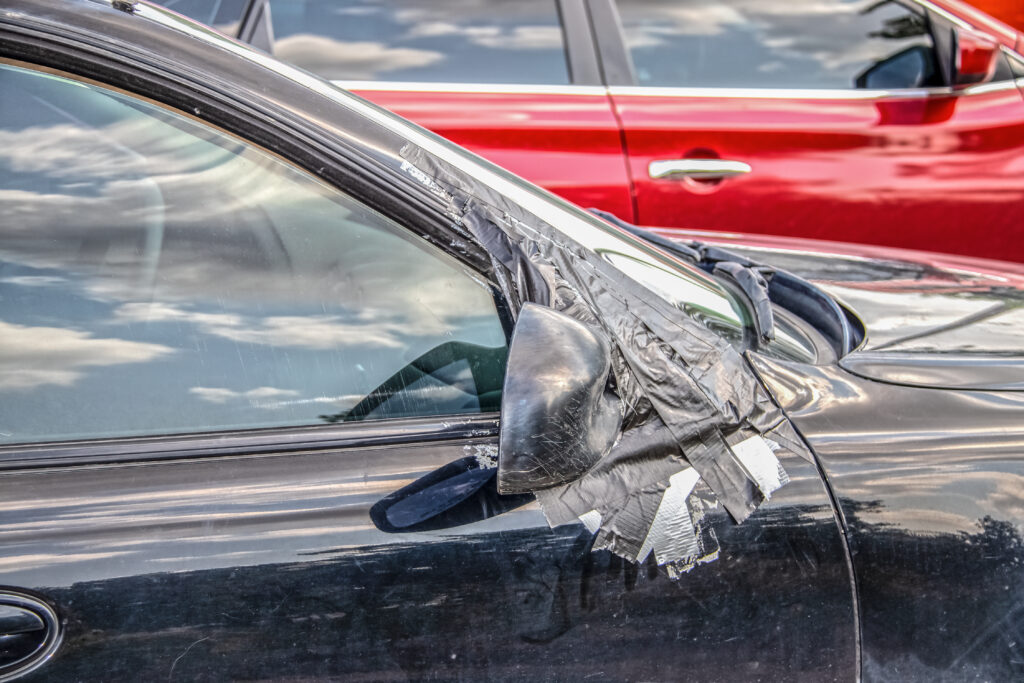
A sideswipe collision can happen in the blink of an eye. One moment you are driving safely in your lane, and the next, another vehicle drifts into your space, and metal meets metal. Unlike a head-on crash, where fault often feels obvious, sideswipe accidents raise a tricky question: who was actually in the wrong lane at the moment of impact?
At Setareh Law, we know how confusing and frustrating it can feel when two drivers each insist the other caused the crash. Our team investigates the full scope of a car accident claim, gathering the evidence needed to establish exactly how fault should be assigned under California law.
What Makes Sideswipe Accidents Different From Other Crashes?
Sideswipe accidents happen when two vehicles traveling parallel to each other, in the same or opposite directions, make contact along their sides. These crashes commonly occur during lane changes, merges, or moments when a driver drifts out of their lane without noticing.
According to a federal analysis of lane-change crashes conducted by the National Highway Traffic Safety Administration, lane-change crashes are defined as two-vehicle collisions that occur when one vehicle drifts into the path of another vehicle traveling on a parallel course in the same direction. This kind of encroachment can stem from a driver failing to check a blind spot, misjudging another car’s distance, or drifting due to distraction.
Because both vehicles are often moving and both drivers may claim the other merged unsafely, sideswipe cases can be harder to sort out than a rear-end collision, where fault is frequently more straightforward.
How Is Fault Determined After a Sideswipe Crash in California?
California follows a fault-based system for car accidents, meaning the driver who caused the crash is financially responsible for the resulting damages. Our team works to reconstruct the moments leading up to the collision to determine which driver failed to exercise reasonable care.
Several sources of evidence typically shape this determination. Reviewing these details closely can reveal patterns indicating which driver drifted out of their lane or failed to check for oncoming traffic before merging, including:
- Police Reports: Responding officers often note lane position, road conditions, and any traffic violations observed at the scene
- Witness Statements: Drivers or pedestrians nearby may have seen which vehicle crossed the lane line first
- Vehicle Damage Patterns: The location and angle of damage can indicate which car drifted into the other’s path
- Traffic Camera or Dash Cam Footage: Video evidence can capture the exact moment a vehicle left its lane
- Skid Marks and Road Evidence: These can help establish vehicle positioning and speed before impact
Once this evidence is gathered, it becomes easier to build a clear picture of how the crash unfolded and who bears responsibility for it.
Why Shared Fault Complicates Sideswipe Claims
California allows for shared fault in car accident cases, meaning more than one driver can be assigned a percentage of responsibility. In a sideswipe crash, both drivers may argue that the other merged into their lane, making it essential to determine whether one driver or both failed to drive safely at the time of the crash.
This is why our personal injury team focuses heavily on early evidence collection. The sooner the physical and testimonial evidence is reviewed, the harder it is for an insurance company to shift blame unfairly onto our client.
How Do Insurance Companies Handle Sideswipe Claims?
Insurance adjusters investigate sideswipe accidents with their own interests in mind, and their initial assessment of fault may not reflect the full picture. Adjusters often rely on early statements and initial police reports without digging deeper into contributing factors like distracted driving or unsafe lane changes.
We can help by requesting the complete police report, tracking down surveillance footage before it is deleted, and speaking directly with witnesses while their memory of the crash is still fresh. This proactive approach often uncovers details that adjusters overlook or choose not to pursue.
How Can Setareh Law Help After a Sideswipe Accident?
Sideswipe accidents leave behind confusing evidence and conflicting stories, and figuring out fault is rarely simple when both drivers blame each other. Our team has represented accident victims throughout California, gathering the evidence and documentation needed to support a claim after a lane change or merging collision, whether the case involves a whiplash injury or more serious harm.
With over $250 million recovered for our clients and more than 60 years of combined experience, Setareh Law has helped countless accident victims pursue the compensation they deserve. We offer full legal support in English and Spanish, because every client deserves clear communication throughout their case. If you were involved in a sideswipe accident and are unsure who was at fault, reach out through our contact form to schedule a consultation.