
If you were injured in a crash with a self-driving car or a vehicle equipped with advanced driver assistance features, you may be dealing with more than just physical pain and financial stress. You may also be facing an insurance company that argues the technology, not a person, was in control at the moment of impact. That argument can feel overwhelming when you are trying to figure out who is actually responsible for your injuries.
At Setareh Law, we understand how confusing these cases can become. Autonomous vehicles generate an enormous amount of data every time they are on the road, and that data can become some of the most persuasive evidence in your car accident claim. Knowing what this data is and how it can support your case is an important part of protecting your right to compensation.
What Counts as Autonomous Vehicle Data in California?
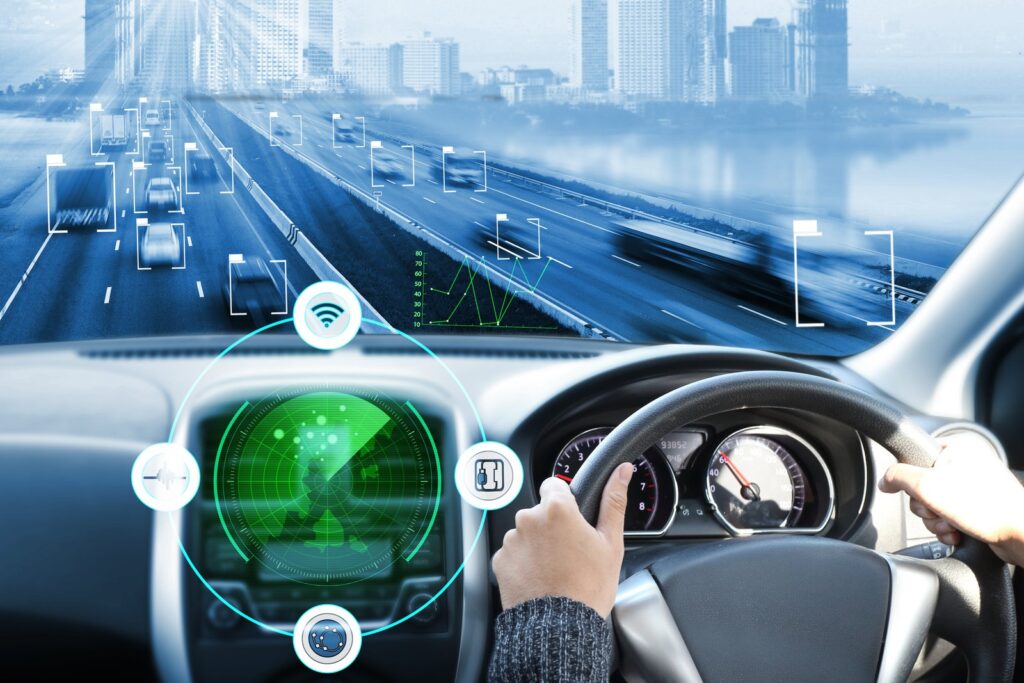
Modern vehicles equipped with automated driving systems or advanced driver assistance systems rely on a network of sensors, cameras, and computers to operate. These systems continuously log information about the vehicle’s speed, braking, steering input, and surrounding environment.
Event Data Recorders
Many vehicles include an event data recorder, sometimes called a black box, that captures details in the seconds before, during, and after a crash. This can include speed at impact, whether the driver applied the brakes, and whether the automated system was engaged. This information can directly contradict a driver or manufacturer’s version of events.
Sensor and Camera Logs
Autonomous systems use radar, lidar, and camera arrays to detect other vehicles, pedestrians, and road hazards. These systems often record what they detected and how the vehicle responded, which can reveal whether the technology reacted appropriately or failed to prevent the collision.
Why This Autonomous Vehicle Data Matters for Your Claim in California
Insurance companies and manufacturers do not always volunteer this information. Understanding why it matters can help you see why pursuing it aggressively is so important to your case.
Establishing Fault
This data can show whether the automated system was in control, whether a human driver overrode it, or whether the system failed to respond to a hazard it should have detected. That distinction often determines whether liability rests with a driver, a manufacturer, or both.
Supporting Your Version of Events
When there are conflicting accounts of how a crash happened, objective data from the vehicle itself can support your account and undercut attempts to shift blame onto you. This is especially valuable inmulti-vehicle accidents where fault can otherwise come down to conflicting witness statements.
The National Highway Traffic Safety Administration requires manufacturers and operators of automated driving systems to report certain crashes and provide detailed information to help identify safety concerns, underscoring how seriously regulators treat this data. You can review the NHTSA’s Standing General Order on Crash Reporting to see how this reporting requirement works at the federal level.
Challenges in Obtaining Autonomous Vehicle Data
Accessing this data is rarely simple. Manufacturers and technology companies often treat it as proprietary, and it can be stored in formats that require specialized tools to read.
Several practical obstacles commonly come up during this process, including:
- Manufacturers may resist releasing data without a court order or subpoena
- Data can be overwritten or lost if the vehicle is repaired or returned to service too quickly
- Proprietary formats often require specialized software or expert analysis to interpret
- Some data may only be available directly from the manufacturer rather than the vehicle itself
Acting quickly after a crash gives you the best chance of preserving this evidence before it disappears. This is similar to how a truck’s EDR box can be critical in a commercial vehicle case, and the same urgency applies here.
Combining Data With Other Evidence
Vehicle data becomes even more powerful when paired with a California accident report, medical records, and witness statements. Together, these pieces of evidence create a stronger, more complete narrative of the crash.
Address Liability Questions Unique to Autonomous Vehicles With Setareh Law
Determining fault becomes more complex when a vehicle’s automated systems are involved. Questions about who is at fault in a self-driving car accident and passenger liability often require a deeper look at how the technology functioned in the moments before impact.
If you were injured in a crash involving a self-driving vehicle or one with advanced driver assistance technology, you do not have to sort through this data alone. At Setareh Law, we know how to identify what evidence exists and use it to build a strong claim on your behalf. Reach out through our contact form today to learn how we can help you pursue the compensation you deserve.