Legally Reviewed by Daniel Setareh on October 2, 2026
Most of us assume that a store, an apartment complex, a hotel, or a neighbor’s home is reasonably safe to enter. When that assumption turns out to be wrong, the result can be a fall down poorly lit stairs, an assault in an unsecured parking lot, or an injury from a pool, an elevator, or a heavy object that should never have fallen. Property owners and the insurance companies behind them often respond by questioning what the injured person was doing there. You should not have to sort that out alone.
Setareh Law, APLC Personal Injury & Accident Lawyers is a personal injury law firm with 60 years of combined experience serving injured individuals, more than 900 five-star reviews, and seven office locations across California. Our Fresno personal injury lawyers help people who were hurt on someone else’s property, and premises liability cases are handled on a contingency fee basis, so you pay a fee only if we get results. Home and hospital visits are available, and se habla español.
⚠ Time-Sensitive Notice for Injured Visitors
Most California premises liability lawsuits must be filed within 2 years, and claims against a public entity can have a deadline as short as 6 months.
60 years of combined experience, more than 900 five-star reviews, and no fee unless we get results. Home and hospital visits are available.
What Premises Liability Means in California
Premises liability is the area of personal injury law that covers injuries caused by dangerous conditions on someone else’s property. It rests on a simple idea in California Civil Code section 1714, which says that everyone is responsible for an injury caused to another by a failure to use ordinary care in managing their property. In practice, an owner, landlord, tenant, business, or other party that controls a property must take reasonable steps to find hazards, repair them, or warn visitors about them.
The law does not make an owner an insurer of every visitor’s safety, and an injury on a property does not automatically mean someone is liable. What matters is whether the person in control acted reasonably given the property, the risks that were foreseeable, and how much time they had to respond. In Fresno, that can apply to a grocery store on Blackstone Avenue, an apartment complex near Fresno State, a restaurant, a hotel, a school, a parking structure, or a private home.
Elements of a Fresno Premises Liability Claim
To recover compensation, an injured person generally has to show four things, and each one is supported with evidence.
Duty of Care
The owner or occupier controlled the property and owed visitors a duty to use reasonable care to keep it safe.
Breach of Duty
The owner failed to inspect, repair, secure, or warn about a hazard that a reasonably careful owner would have addressed.
Causation
The unsafe condition, not an unrelated event, was a substantial factor in causing the injury.
Damages
The injured person suffered real losses, such as medical bills, lost income, and pain and suffering.
Cases often turn on the second and third elements, which is why photographs, records, and witness accounts gathered early can make a real difference.
Actual and Constructive Notice
One of the most contested questions in any premises case is whether the owner knew, or should have known, about the hazard in time to fix it. California law looks at two kinds of notice.
Actual Notice
The owner or an employee knew about the problem. A tenant reported a broken stair, a worker saw a leak, or earlier complaints about a poorly lit lot were ignored.
Constructive Notice
The owner did not know, but a reasonable inspection would have found the hazard. If a dangerous condition existed long enough that it should have been discovered, notice may be established.
Inspection schedules, cleaning logs, and employee statements are often how constructive notice is proven. Owners that never inspect, or that inspect but ignore what they find, may have a harder time arguing that they could not have known.
Common Types of Premises Liability Cases in Fresno
Dangerous conditions come in many forms, and the facts of each category affect who may be responsible and what evidence matters most.
Inadequate Security
Poor lighting, broken locks, missing guards, and unmonitored entrances can allow assaults and other foreseeable crimes on apartment, hotel, retail, and parking properties.
Negligent Maintenance
Broken flooring, loose railings, exposed wiring, leaks, and neglected repairs can injure visitors when no one fixes them.
Spills and Wet Surfaces
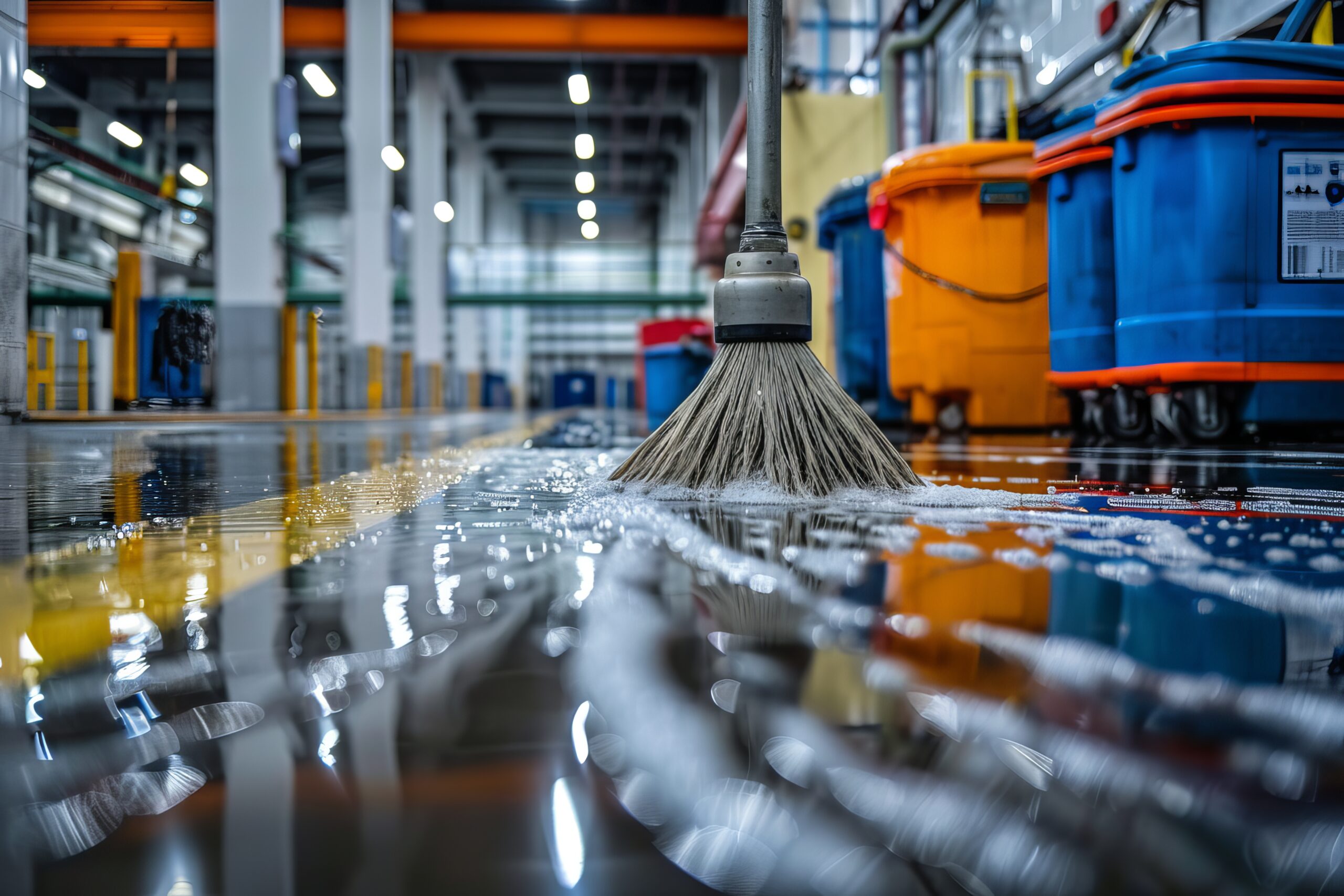
Liquids, tracked-in water, and freshly mopped floors without warning signs can create hazards in stores, restaurants, and lobbies.
Poor Lighting
Dark stairwells, entryways, garages, and hallways make hazards hard to see and can contribute to falls and attacks.
Stairs and Handrails
Uneven steps, missing or loose handrails, worn treads, and unmarked changes in elevation can cause serious falls.
Swimming Pools
Missing fencing, broken gates, slippery decks, and poor supervision at apartment, hotel, and residential pools can cause drownings and serious injuries.
Elevators and Escalators
Sudden stops, misleveling, door malfunctions, and poor upkeep can injure riders in malls, hotels, and office buildings.
Falling Objects
Poorly stacked merchandise, unsecured shelving, and loose fixtures can fall on shoppers and workers.
Daycare and Childcare Settings
Unsafe equipment, unsecured hazards, and poorly maintained play areas can injure children who depend on others for their safety.
Some situations carry their own rules. A dog attack on a property is one of those situations, and it often turns on different rules than other property hazards. Readers who want more detail can review how swimming pool liability works for homeowners, how escalator maintenance negligence can lead to injuries, and what can happen when poor security and overcrowding put patrons at risk.
Who Is Owed a Duty of Care
California generally requires property owners to use reasonable care toward people who are lawfully on their property. The setting still matters, because it shapes what a reasonable owner would have done.
| Visitor or Situation | How the Duty Generally Applies |
|---|---|
| Customers and clients | Businesses are expected to inspect for hazards, keep walkways and aisles reasonably clear, and fix or warn about dangers they find or should have found. |
| Social guests | A homeowner or host must use reasonable care to keep the property safe and warn guests about hazards that are not obvious. |
| Tenants and residents | Landlords and property managers have responsibilities for common areas, security, and repairs they control, and the details depend on the lease and the facts. |
| Workers and delivery drivers | People on a property for work may be owed reasonable care, and some may have other claims, such as workers’ compensation, that should be reviewed. |
| Children | Property owners must take extra care with conditions likely to attract or endanger children, such as pools and playground equipment. |
| Trespassers | Owners generally owe less to people who enter without permission, but the details vary, and an injured person should still have the facts reviewed. |
If you are unsure whether your status on the property affects your claim, the discussion of trespasser premises liability claims in California explains how these questions are approached.
What to Do After an Injury on Someone Else’s Property
The steps you take in the first hours can protect your health and preserve proof that may disappear quickly.
1. Get Medical Care
Call 911 or see a doctor right away. Some injuries, including head and back injuries, do not show their full effect immediately, and a prompt record links your injuries to the incident.
2. Report the Incident
Tell the manager, landlord, or property owner what happened and ask that an incident report be made. Ask for a copy, and note the name of the person who took it.
3. Photograph the Hazard
When it is safe, take wide and close-up photos of the condition, the surrounding area, the lighting, any warning signs or lack of them, and your injuries.
4. Identify Witnesses
Get names and phone numbers for anyone who saw the incident or the condition before it happened, including employees and other visitors.
5. Keep Your Belongings
Save the shoes and clothing you wore and any damaged items. Do not repair or discard them until your attorney has documented them.
6. Talk to a Lawyer First
An insurance adjuster may call within days. You can decline a recorded statement until you have spoken with an attorney, and you should avoid posting about the incident online.
Hurt on Someone Else’s Property? Talk With Setareh Law Today
Your consultation is free, and you pay nothing unless we get results. Home and hospital visits are available.
Evidence That Can Strengthen a Premises Liability Claim
Premises cases often turn on proof of what the owner knew and did. Photographs and incident reports are among the most useful items, because they capture the condition and the owner’s own account while memories are fresh. Our guide on how to strengthen a premises liability claim covers more of these steps.
| Type of Evidence | How It Can Help |
|---|---|
| Photographs and video | Show the hazard, the lighting, the surrounding area, and your injuries before conditions change or repairs are made. |
| Incident reports | Record that the owner or staff knew about the event and may include their description of the condition and the time it occurred. |
| Surveillance footage | May show how long a hazard existed, whether anyone inspected the area, and exactly how the incident happened. Video is often overwritten within days, so requests should go out quickly. |
| Maintenance and inspection logs | Can show whether regular inspections happened, how often repairs were made, and whether earlier complaints were ignored. |
| Witness statements | Employees, tenants, and other visitors may confirm the hazard, earlier warnings, or prior incidents in the same spot. |
| Medical records | Connect each injury to the incident, document treatment, and support the cost of future care. |
Evidence in the owner’s hands can be lost or altered, so a preservation letter sent early may help keep records and footage from being deleted.
Comparative Fault and How Owners Defend Premises Claims
California uses a comparative fault system, which means an injured person can still recover compensation even if they were partly responsible. The amount is reduced by the percentage of fault assigned to them. That makes the way insurers frame the facts important, and the arguments below are common.
Blaming the Visitor
Adjusters may argue that you were not paying attention, wore unsuitable shoes, or ignored an obvious hazard.
Claiming No Notice
The owner may say the condition appeared moments earlier and could not have been discovered in time.
Pointing to a Warning
A sign or cone may be used to argue that the risk was open and obvious, even when it was poorly placed or too late to help.
Questioning the Injuries
Insurers may say your treatment was unnecessary or that your injuries came from something other than the incident.
An attorney can respond to these arguments with evidence and keep you from giving statements that are later used against you.
Premises Liability Claims Against Public Entities
When the dangerous condition is on property owned or controlled by a city, county, school district, or state agency, special rules apply. Under Government Code section 835, a public entity may be liable for a dangerous condition of its property when it created the condition or had actual or constructive notice of it in time to take action. These claims cannot go straight to court. A written government claim generally must be presented first, and the 6-month window is much shorter than the deadline for a private property case.
In Fresno, that can include public buildings, parks, schools, and government facilities. If your injury happened on public property, speak with an attorney quickly, document the location, and keep any records of earlier complaints.
Compensation Available in Premises Liability Cases
Depending on the facts, an injured person may be able to pursue several categories of damages. Common injuries include fractures, head and brain injuries, spinal injuries, cuts, burns, and psychological trauma from an assault or a frightening event.
| Category | What It May Cover |
|---|---|
| Medical expenses | Emergency care, hospital stays, surgery, medication, therapy, and future treatment. |
| Lost income | Wages missed during recovery and reduced earning capacity if you cannot return to the same work. |
| Property damage | Repair or replacement of personal items damaged in the incident, such as eyeglasses, a phone, or clothing. |
| Pain and suffering | Physical pain, emotional distress, and the effect of the injuries on daily life. |
| Loss of enjoyment of life | The loss of activities, hobbies, and routines you enjoyed before the injury. |
| Punitive damages | In limited cases involving especially reckless conduct, California law may allow punitive damages meant to punish the wrongdoer. |
| Wrongful death damages | When an incident is fatal, eligible family members may pursue funeral costs, lost financial support, and loss of companionship. |
Every case is different, and results depend on the facts, the injuries, and the insurance available.
Statute of Limitations for Fresno Premises Liability Cases
Deadlines are among the most important parts of a premises claim, and missing one can end a case no matter how strong the evidence is.
| Type of Claim | Deadline | Clock Starts |
|---|---|---|
| Injury claim against a private owner or business | 2 years | Date of the injury |
| Wrongful death claim | 2 years | Date of death |
| Claim against a city, county, or other public entity | 6 months to present a government claim | Date of the injury |
The clock usually starts on the date of the injury, not on the date you finish treatment. In limited situations, such as an injury that could not reasonably have been discovered right away, the deadline may start later, but you should never count on an exception. If a public entity is involved, a late claim may be allowed only in narrow circumstances and is not certain. The California Courts self-help guide on deadlines to sue explains how these time limits work. Missing a deadline is irreversible, so contact Setareh Law as soon as you can.
How Setareh Law Handles Your Premises Liability Case
Every case starts with a one-on-one conversation. We listen to what happened, review your injuries and medical needs, and explain your options in plain language. If you cannot travel, we can meet you at home or at the hospital.
From there, our team works to identify who owned, controlled, or managed the property and gathers incident reports, photographs, video, maintenance records, witness accounts, and medical records. We send preservation requests when evidence may be lost, handle the calls and paperwork with insurance companies, calculate the full value of your losses, negotiate for fair compensation, and file a lawsuit when that is the right step. Because we work on contingency, you pay a fee only if we get results, and Spanish-speaking clients can work with our team in their own language.
Frequently Asked Questions About Fresno Premises Liability
Do I have a valid premises liability case in Fresno?
You may have a claim if a property owner, landlord, business, or other party failed to use reasonable care and that failure caused your injury. The owner usually must have known, or should have known, about the hazard in time to fix it or warn you. Being partly at fault does not automatically end a claim, because California uses comparative fault. The right way to find out is to talk with an attorney about what happened, and Setareh Law offers free case reviews.
What is the deadline to file a premises liability lawsuit in California?
Most premises liability and wrongful death lawsuits must be filed within 2 years of the injury or the date of death. Claims against a city, county, or other public entity generally require a government claim within 6 months. Because missing these deadlines is irreversible, you should speak with an attorney as soon as possible.
How much does it cost to hire a premises liability lawyer in Fresno?
Setareh Law handles premises liability cases on a contingency fee basis. You pay an attorney fee only if we get results, and your initial consultation is free. We encourage you to ask about fees and costs during your case review so you know what to expect.
Can family members file a claim if a premises injury was fatal?
In California, certain family members, such as a spouse, domestic partner, or children, and in some cases other dependents, may bring a wrongful death claim. These claims may recover losses such as funeral costs, lost financial support, and loss of companionship. The deadline is generally 2 years from the date of death.
What if I was hurt on city, county, or school property in Fresno?
A public entity may be responsible for a dangerous condition it created or knew about, but these claims have special notice rules and a 6-month deadline to present a government claim. Photograph the hazard, note its exact location, and keep any records of earlier complaints. Speak with an attorney quickly so the claim can be reviewed before the deadline passes.
What if the property owner says I was careless?
That argument is common, and it does not automatically end your claim. California uses comparative fault, so if a jury finds you partly responsible, your compensation is reduced by that percentage rather than eliminated. Evidence such as photos, incident reports, and maintenance records can help show what the owner did or failed to do.
Talk to a Fresno Premises Liability Lawyer Today
Setareh Law brings 60 years of combined experience, more than 900 five-star client reviews, and seven California offices to every premises liability case. We treat each client as a person first, and we take the time to understand how the injury changed your life.
If you were hurt on someone else’s property in Fresno, contact Setareh Law for a free case review, or call (310) 659-1826. There is no fee unless we get results, and se habla español.