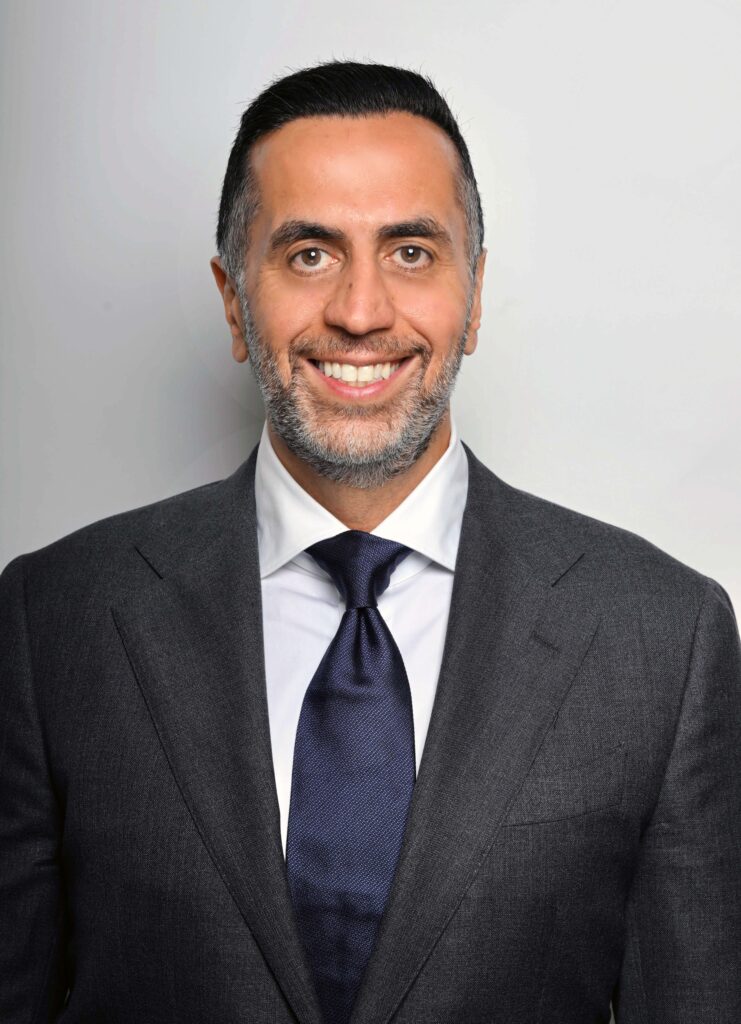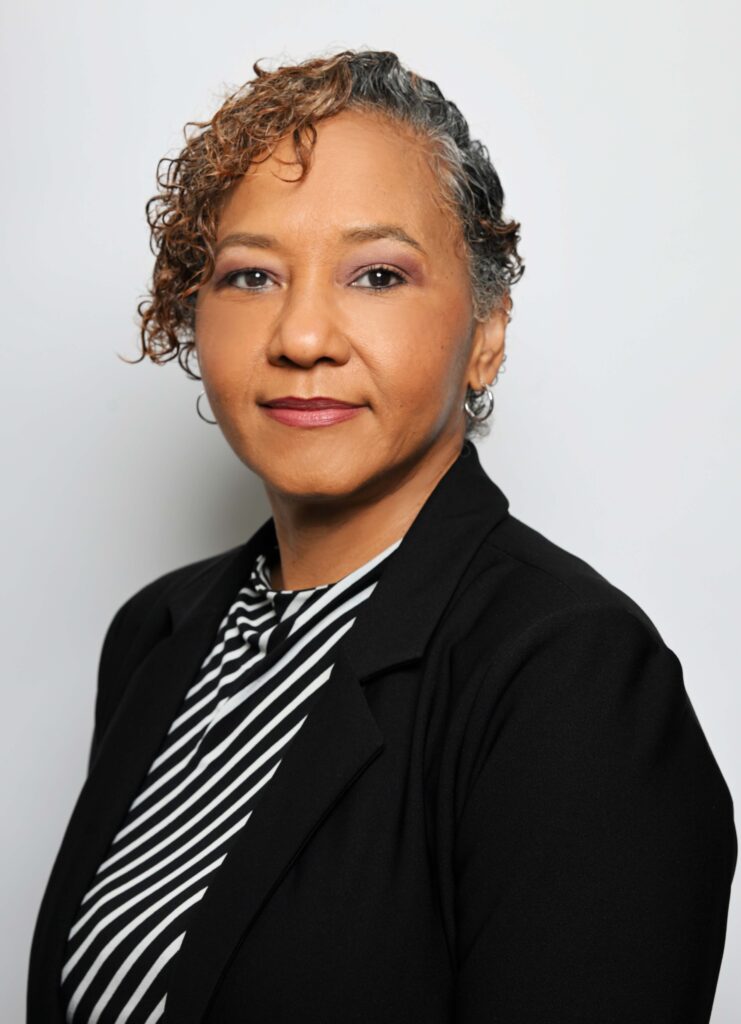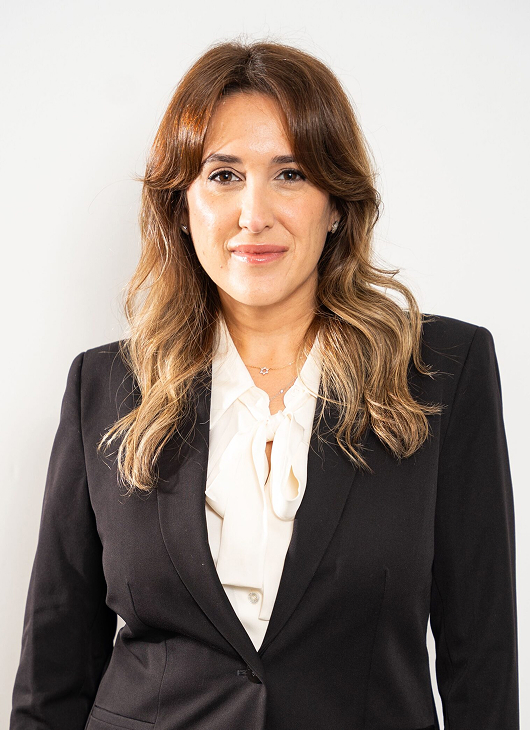

Legally Reviewed by Daniel Setareh on October 21, 2026
When a family member dies because of someone else’s carelessness, practical questions arrive in the same week as the grief: who will handle the funeral, who should speak with the insurance company, and whether anyone will be held accountable. California law gives certain relatives a way to seek accountability and financial support through a wrongful death claim, and knowing how it works early can spare your family avoidable stress. You do not have to decide anything today, but a few deadlines and first steps are worth understanding from the start.
Setareh Law, APLC Personal Injury & Accident Lawyers brings 60 years of combined experience, more than 900 five-star reviews, and seven California offices to families facing this kind of loss, and our approach to personal injury representation is built on patience and clear explanations. We handle wrongful death cases on a contingency fee basis, so you pay a fee only if we get results. Home and hospital visits are available, and se habla español.
⚠ Time-Sensitive Notice for California Families
Most California wrongful death lawsuits must be filed within 2 years of the date of death, and a claim against a public entity can have a deadline as short as 6 months.
60 years of combined experience, more than 900 five-star reviews, and no fee unless we get results. Home and hospital visits are available.
What Is a Wrongful Death Claim in California?
A wrongful death claim is a civil lawsuit that certain surviving family members, or the decedent’s personal representative on their behalf, can bring when a person dies because of another party’s wrongful act or neglect. Code of Civil Procedure section 377.60 sets out who may bring the claim, and the claim seeks compensation for what the family has lost. It is separate from any criminal case.
The statute speaks of a death caused by the wrongful act or neglect of another, so carelessness may be enough in many situations. Families commonly ask about facts like these:
- A driver who ignored a red light or was distracted behind the wheel.
- A property owner who left a known hazard unrepaired.
- An employer who skipped basic safety steps on the job.
Who May File a California Wrongful Death Claim
The people who may file a California wrongful death claim include the decedent’s surviving spouse or domestic partner, children, and issue of deceased children, along with certain other relatives and dependents the statute lists.
| Who | What the Statute Says |
|---|---|
| Spouse, domestic partner, and descendants | The surviving spouse, domestic partner, children, and issue of deceased children may bring the claim. A domestic partner is someone in a registered domestic partnership with the decedent at the time of death. |
| Others who would inherit | If the decedent left no surviving issue, the persons who would be entitled to the decedent’s property by intestate succession, including the surviving spouse or domestic partner, may bring the claim. If the decedent’s parents would qualify but have died, legal guardians of the decedent may bring it as if they were the parents. |
| Dependent family members | Whether or not they qualify under the rules above, a putative spouse, children of a putative spouse, stepchildren, parents, or legal guardians of the decedent (if the parents are deceased) may bring the claim if they were dependent on the decedent. A putative spouse is a surviving spouse of a void or voidable marriage whom a court finds believed in good faith that the marriage was valid. |
| Certain minors in the household | A minor who lived in the decedent’s household for the previous 180 days and depended on the decedent for one-half or more of the minor’s support may bring the claim. |
| The personal representative | The decedent’s personal representative may assert the cause of action on behalf of the persons entitled to bring it. |
A lawyer can read the statute against your family’s facts, and this overview of who can receive compensation from a wrongful death claim adds more detail.
California Wrongful Death Claims and Survival Actions
A wrongful death claim seeks the family’s own losses, while a survival action continues the claim the person who died could have brought, and the two are often discussed together. Under section 377.30, a cause of action that survives the death of the person entitled to bring it passes to the decedent’s successor in interest, and the personal representative or, if there is none, the successor in interest may commence the action.
Section 377.34 limits the damages in that action to the loss or damage the decedent sustained before death, including any punitive damages the decedent would have been entitled to recover, and states that they do not include damages for pain, suffering, or disfigurement. A temporary exception covered actions filed from January 1, 2022 through the end of 2025, so a lawyer can explain how the current text applies to your family.
| Wrongful Death Claim | Survival Action | |
|---|---|---|
| Whose losses | The losses of the family members who are entitled to bring the claim. | The losses the decedent sustained before death. |
| Who brings it | The persons the statute lists, or the personal representative on their behalf. | The personal representative or, if there is none, the decedent’s successor in interest. |
| What it can cover | Damages that are just under all the circumstances of the case, excluding what the survival action covers. | Loss or damage sustained before death, plus punitive damages the decedent would have been entitled to recover. |
This guide to survival actions and wrongful death actions explains how the two claims fit together.
Compensation Families May Seek After a Wrongful Death
California law allows a wrongful death award of damages that, under section 377.61, may be just under all the circumstances of the case, and the court determines the respective rights of the persons entitled to share in the award. The categories below are the ones families commonly ask about, and which claim carries each depends on the facts.
| Category | What It May Cover |
|---|---|
| Funeral and burial costs | Services, burial or cremation, and related expenses the family paid after the death. |
| Medical bills before death | Emergency care, hospital stays, and treatment between the injury and the death. |
| Lost income and support | Wages the decedent would have earned and the financial support the family has lost. |
| Household services | Work the decedent did for the family, such as child care, home maintenance, and daily errands. |
| Companionship and guidance | The loss of the decedent’s love, care, comfort, and guidance, which can be the most difficult loss to put into words. |
| Punitive damages | In limited cases involving malice, oppression, or fraud proven by clear and convincing evidence, California law may allow damages meant to punish the wrongdoer. |
There is no standard value for a wrongful death case, because the amount depends on the family’s losses and the insurance and other resources available. Results depend on the facts of each case.
Statute of Limitations for California Wrongful Death Cases
Most California wrongful death lawsuits must be filed within 2 years of the date of death, and missing that deadline can end the family’s right to bring the case. A shorter deadline applies when a public entity may be responsible.
| Type of Claim | Deadline | What to Know |
|---|---|---|
| Wrongful death lawsuit | 2 years | The statute covers an action for the death of an individual caused by the wrongful act or neglect of another, counted from the date of death. |
| Claim against a public entity | 6 months | For a cause of action for death, a claim must be presented to the public entity not later than six months after the cause of action accrues. |
| Lawsuit after a government claim is rejected | 6 months or 2 years | If written notice of rejection is given, the lawsuit must generally be filed within 6 months of the date the notice is delivered or mailed. If no notice is given, the period is 2 years from the accrual of the cause of action. |
Families should ask early whether a city, county, or state agency could be involved, and this article on when you can sue a city for wrongful death addresses those claims. Do not assume that a pending criminal case or an open estate matter changes any of these dates, and speak with a lawyer as early as you can.
How Fault Is Shared in a California Wrongful Death Case
California follows a pure comparative fault rule, so a claim can still go forward when the person who died may have been partly responsible, although the amount of an award may be reduced by that person’s share of fault. Shared fault does not by itself end a claim.
Under Civil Code section 1431.2, each defendant in a wrongful death action based on comparative fault is responsible for non-economic damages only in proportion to that defendant’s own share of fault. Insurers know how much these percentages matter, so evidence about what actually happened carries real weight.
Situations That Can Lead to a California Wrongful Death Claim
A wrongful death claim can follow any fatal incident caused by someone else’s carelessness or wrongful act. The California Office of Traffic Safety reports 4,061 traffic fatalities statewide in 2023.
Vehicle Crashes
Collisions with cars, trucks, motorcycles, or pedestrians can be fatal when a driver is impaired, speeding, or breaks a traffic rule. A crash involving a bus or a rideshare vehicle can involve several parties and several insurance policies.
Hazardous Property Conditions
Owners and managers of buildings, parking structures, stairways, and pools are expected to keep them reasonably safe, and a known hazard left unrepaired can lead to a fatal fall.
Unsafe Workplaces
A death on a job site or around heavy equipment may involve missing safety measures or faulty equipment. Workplace deaths can involve separate benefit systems and claims against outside parties, and a lawyer can explain which options may apply.
Dangerous Roads and Public Property
A poorly maintained road, a missing guardrail, or a malfunctioning signal can contribute to a fatal crash, and when a government agency is responsible, the shorter claim deadline discussed above can apply.
What Families Should Do in the First Days
In the first days after a death, focus on your family’s well-being, and then take a few steps that protect your ability to bring a claim later.
1. Care for Your Family First
Ask for help with funeral plans and children’s schedules, and do not feel pressure to make legal decisions in the first few days.
2. Request the Report
Ask the responding agency for the crash or incident report number and request a copy once it is available.
3. Preserve Evidence
Keep photographs, video, clothing, damaged items, and messages exactly as they are. Ask nearby businesses and property owners to save camera footage, since recordings are often erased on a short cycle.
4. Keep Every Bill
Save medical bills from before the death, funeral and burial invoices, and records of the income and household help your family has lost.
5. Be Careful With Insurance Calls
You can decline a recorded statement until you have spoken with a lawyer. Do not sign a release or accept a quick payment before you understand what rights it gives up.
6. Talk With a Lawyer Early
Evidence fades and some deadlines are short. A free consultation can explain your options without any obligation.
Grieving a Family Member? Talk With Setareh Law Today
Your consultation is free, and you pay nothing unless we get results. Home and hospital visits are available.
How Insurers Approach Wrongful Death Claims
Insurers often contact grieving families quickly, and early offers and requests can limit a claim before the family understands the full picture.
| Approach | What It Looks Like | How to Protect Your Family |
|---|---|---|
| Early call with a quick offer | A friendly adjuster offers a payment before funeral costs and lost support have been added up. | Wait until you understand the full extent of your losses, since accepting usually closes the claim. |
| Recorded statements | Questions about the decedent’s habits, health, or actions that day are later used to assign blame. | Decline until you have legal advice, and keep any answers short and factual. |
| Release forms | A short document that ends every claim against every party in exchange for one payment. | Do not sign until a lawyer has reviewed which rights it gives up. |
| Blaming the person who died | The insurer argues that the decedent shared fault for the incident. | Preserve evidence early, because shared fault is weighed and does not by itself end a claim. |
An attorney can take those calls so your family does not have to, and can keep the deadlines in view while you focus on one another.
How a California Wrongful Death Claim Moves Forward
A wrongful death claim usually moves through four stages, from gathering evidence to a lawsuit when talks do not resolve the case.
1. Investigation
The report, scene evidence, video, records, and witness accounts are gathered to show what happened and who may be responsible.
2. Identifying Who May File
Family relationships are reviewed against the statute, and the personal representative is identified so the right people are named.
3. Demand and Negotiation
A written demand sets out the family’s losses, and the insurer responds with an offer, a denial, or a request for more documents.
4. Lawsuit if Needed
When negotiations stall, a complaint can be filed in court before the deadline runs out, and a case may still resolve before trial.
Timing varies with the facts and the insurance involved, and this walkthrough of how to file a wrongful death lawsuit in California explains the steps in more detail.
Practical Questions Families Ask Before Filing
Families often ask a few of the same questions before deciding how to move forward, and these answers are general starting points rather than advice about your own situation.
Who Is the Personal Representative?
The personal representative is the person who handles the decedent’s legal and financial affairs after death, and the statute allows that person to assert the wrongful death claim on behalf of the family members entitled to bring it.
Does a Criminal Case Have to Come First?
A civil claim can often go forward whether or not criminal charges are filed, because the two proceedings are separate. They can affect each other’s timing, so tell your lawyer about any criminal case right away.
What About Taxes?
Tax treatment of any payment depends on individual circumstances, and this page does not provide tax advice. A qualified tax professional can answer those questions for your family.
Why Families Choose Setareh Law for Wrongful Death Cases
Setareh Law brings 60 years of combined experience and more than 900 five-star reviews to injury claims throughout the state. Each case starts with a free consultation, families who cannot travel can ask about home and hospital visits, and our team speaks Spanish.
We explain each step in plain language, preserve evidence early, identify every responsible party and insurance policy, and handle the calls and paperwork so your family is not rushed into decisions.
Setareh Law Offices Across California
Setareh Law serves families through offices in seven California cities, and you can meet with a wrongful death lawyer at the location that is easiest to reach.
| Office | Address |
|---|---|
| Beverly Hills | 8484 Wilshire Blvd #870, Beverly Hills, CA 90211 |
| Fresno | 4005 North Blackstone Avenue #101A, Fresno, CA 93726 |
| Modesto | 931 10th Street #454, Modesto, CA 95354 |
| San Diego | 1855 First Ave. #103, San Diego, CA 92101 |
| Santa Rosa | 427 Mendocino Ave, Suite 100, Santa Rosa, CA 95401 |
| Stockton | 110 N San Joaquin St FL 2, #22, Stockton, CA 95202 |
| Tracy | 1005 E Pescadero Ave Ste 167, Tracy, CA 95304 |
To reach any office, call (310) 659-1826 and we will help you find the closest location or arrange a home or hospital visit.
Frequently Asked Questions About California Wrongful Death Cases
Speak With a California Wrongful Death Lawyer Today
If you lost a family member because of someone else’s carelessness anywhere in California, you do not have to take on the insurance company or the paperwork while you grieve. Setareh Law brings 60 years of combined experience, more than 900 five-star reviews, and a contingency fee approach to every claim, so your family can focus on one another while we focus on the case.
To talk through what happened, call us at (310) 659-1826 or reach out through our free case review form today.